






What's Happening?
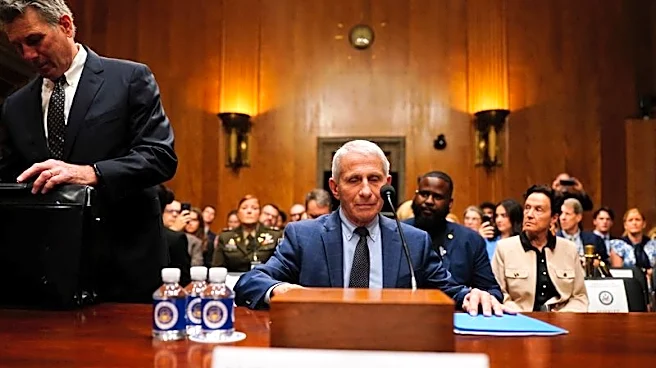
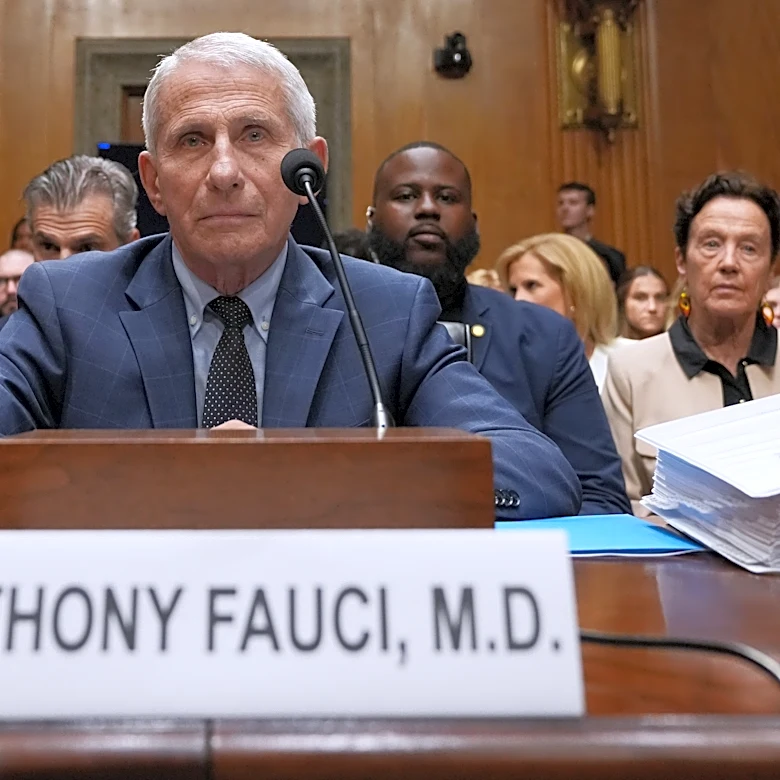
The U.S. House Committee on Appropriations recently held a hearing to address government shutdown reform, led by Chairman Tom Cole. The hearing focused on the potential implementation of automatic continuous funding to prevent government shutdowns when
annual appropriations are not renewed. Key participants included Sen. James Lankford, Rep. Tom McClintock, and Shalanda Young, former director of the U.S. Office of Management and Budget. Sen. Lankford introduced the Prevent Government Shutdowns Act, which proposes continuous funding if Congress fails to approve budgets within two weeks. The bill mandates that Congress, the President, and the Office of Management and Budget remain in Washington, D.C., focusing solely on appropriations until funding is secured. The proposal has garnered bipartisan support and endorsement from the National Active and Retired Federal Employees Association (NARFE).
Why It's Important?
The discussion on government shutdown reform is crucial as it aims to prevent the negative impacts of funding lapses on federal operations and employees. Government shutdowns disrupt essential services, affect federal workers, and can have broader economic consequences. The proposed legislation seeks to maintain government operations and hold lawmakers accountable by requiring their presence in Washington until appropriations are resolved. This reform could lead to more stable government operations and reduce the political brinkmanship often associated with budget negotiations. The bipartisan support for the bill indicates a shared recognition of the need for a more reliable funding mechanism.
What's Next?
If the Prevent Government Shutdowns Act gains further traction, it could be advanced in the House for a vote. The bill's progress will depend on continued bipartisan support and advocacy from stakeholders like NARFE. Should the legislation pass, it would establish a precedent for handling budget impasses, potentially influencing future appropriations processes. Lawmakers will need to consider the implications of automatic funding on fiscal responsibility and the balance of power in budget negotiations.