


What's Happening?
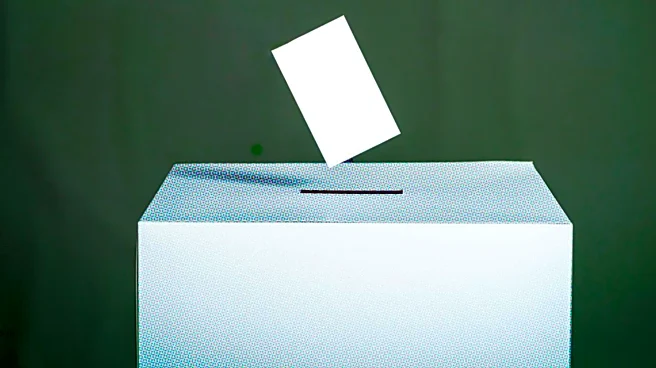
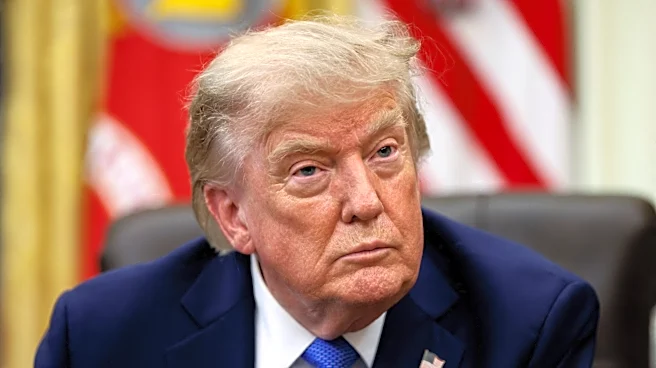
President Trump cast his vote by mail in Florida’s Republican primary, a move that contradicts his repeated public criticisms of mail-in voting as being vulnerable to fraud and 'inherently corrupt.' Voting records indicate that President Trump requested
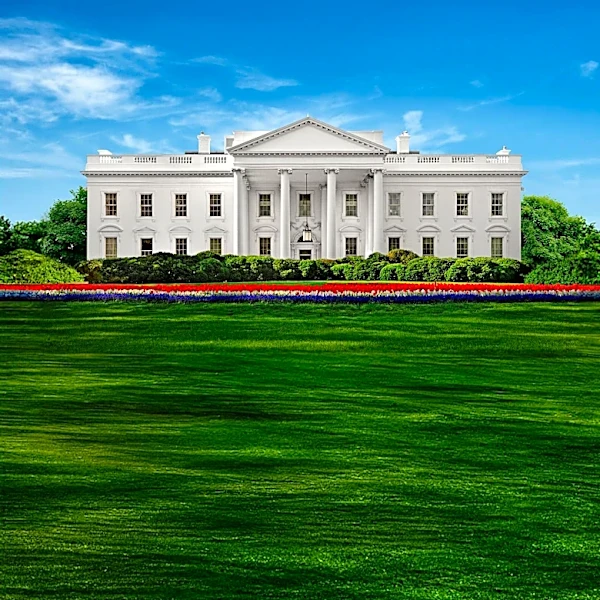
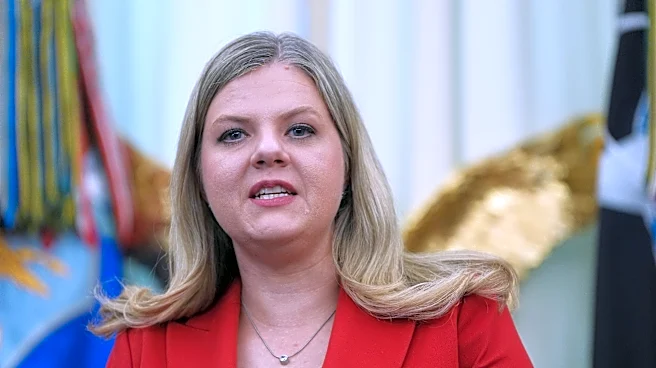
a ballot in late July and returned it last week for the primary election. This is not the first instance of President Trump using mail-in voting despite his public stance; he also voted by mail in Palm Beach County in 2020 and in a Florida special election earlier this year. The White House defended President Trump's action, with spokeswoman Olivia Wales stating that his position allows for mail-in ballots in specific circumstances, such as illness, disability, military service, or travel, and that his primary residence at the White House justifies his use of a mail ballot for Florida elections.
Why It's Important?
President Trump's use of mail-in voting while simultaneously denouncing it as 'inherently corrupt' highlights a significant point of contention in the ongoing debate over election integrity in the U.S. His actions could be perceived as inconsistent, potentially undermining his arguments for stricter voting laws, such as the 'SAVE America Act,' which advocates for proof of U.S. citizenship for voter registration, photo identification for casting ballots, and limitations on mail-in voting. This situation fuels public discussion about the fairness and security of different voting methods and the motivations behind calls for electoral reform. It also raises questions about the practical application of voting laws for individuals with unique circumstances, such as those who maintain residences in multiple states or hold high office.
What's Next?
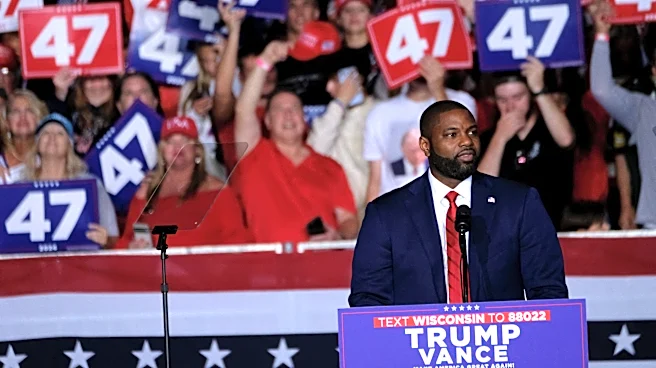
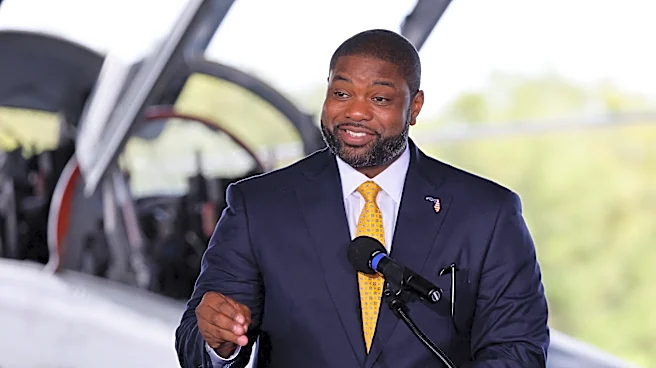
The Florida Republican primary is currently underway, with a crowded field vying to replace term-limited Governor Ron DeSantis. President Trump's endorsement of Congressman Byron Donalds, who is reportedly leading in recent polls, adds another layer to the political landscape. The broader debate over mail-in voting and election security is expected to continue, especially as the U.S. approaches future elections. Advocates for stricter voting laws will likely continue to push for measures like the 'SAVE America Act,' while opponents will argue that such laws disenfranchise eligible voters. The outcome of the Florida primary and subsequent general elections may further influence the national conversation on voting procedures and election reform.
Beyond the Headlines
This event delves into the complex interplay between political rhetoric, personal actions, and public perception regarding democratic processes. President Trump's repeated criticisms of mail-in voting have been central to his claims of a 'stolen' 2020 presidential election, making his own use of the method particularly noteworthy. This inconsistency could be interpreted in various ways: as a pragmatic adaptation to existing laws, a strategic maneuver, or a demonstration of hypocrisy. It also underscores the challenge of establishing universally accepted and trusted voting systems in a highly polarized political environment. The incident contributes to the ongoing national dialogue about voter access, election security, and the role of political leaders in shaping public confidence in democratic institutions.