




What's Happening?
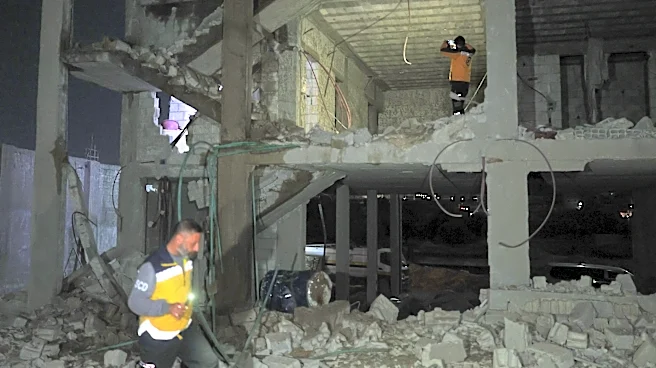
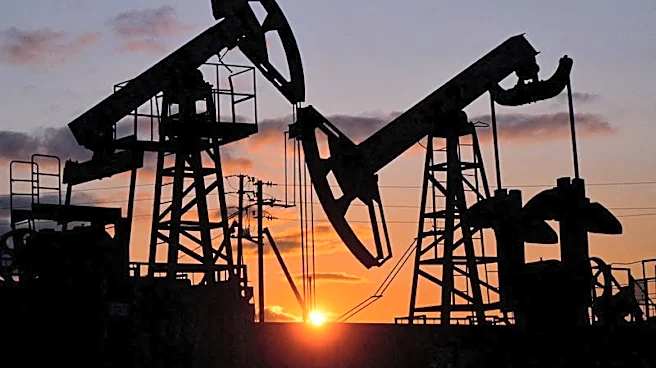
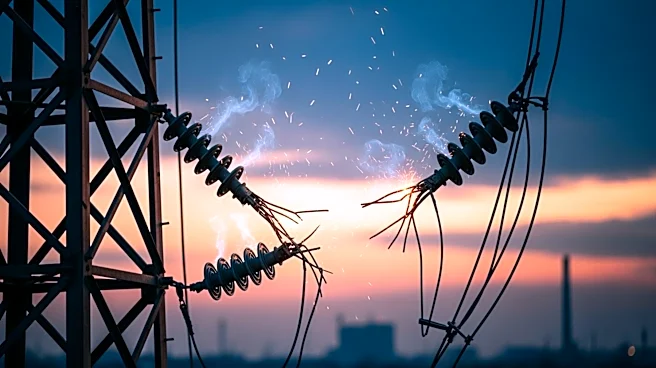
The ongoing conflict between Israel and Iran has taken a significant turn with both nations targeting each other's energy infrastructure. Israel has launched strikes on Iranian fuel and gas facilities, while Iran has retaliated by attacking Israeli refineries
in Haifa. This development marks a shift in modern warfare, where energy systems have become primary targets. The attacks are not only military in nature but also have severe implications for civilian life, as these facilities are critical and vulnerable. The conflict has created a cycle of retaliation that poses a risk of further escalation, potentially disrupting electricity supply, industry, and daily life in Israel. The historical context of similar conflicts, such as the Gulf War and the 2006 Israeli airstrike on a Lebanese power plant, highlights the long-term environmental and economic damage that can result from targeting energy infrastructure.
Why It's Important?
The targeting of energy infrastructure in the Israel-Iran conflict has broader implications beyond immediate military gains. The Gulf region plays a central role in global energy and supply chains, and disruptions can have widespread effects. Damage to energy systems can lead to acute water shortages, higher global food prices, and threats to basic services like hospitals and cooling systems. The environmental and humanitarian consequences are significant, with air and water pollution affecting civilian populations. For Israel, the strategic risks include potential attacks on regional energy routes and infrastructure critical to its supply, which could have immediate economic consequences. The conflict underscores the need for regional energy cooperation and resilience to reduce vulnerability to such attacks.
What's Next?
The ongoing cycle of retaliation between Israel and Iran over energy infrastructure is likely to continue, with both sides potentially expanding their targets. For Israel, strengthening resilience through regional energy cooperation could be a strategic move. Integrating electricity grids with neighboring countries like Jordan and Egypt, and connecting with Europe through Cyprus, could enhance energy security and provide backup in times of disruption. This approach could mitigate the risks associated with targeting energy infrastructure and reduce the potential for further escalation. The situation requires careful management to avoid long-term consequences that could affect economies, societies, and borders.
Beyond the Headlines
The conflict's focus on energy infrastructure highlights the interconnectedness of modern societies and the systemic risks involved. The environmental and humanitarian dimensions of these attacks are often overlooked, but they have significant implications for public health and ecological stability. The reliance on energy systems for basic services means that disruptions can have far-reaching effects, impacting vulnerable populations first. The conflict also raises ethical questions about the targeting of civilian infrastructure and the long-term consequences for regional stability. The situation calls for a reevaluation of military strategies and a focus on resilience and cooperation to address the underlying risks.