






What's Happening?
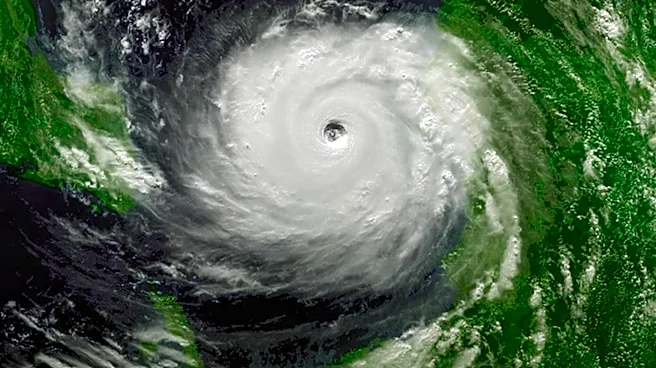
Typhoon Dolphin has brought heavy rain to Beijing and other regions in China, prompting the China National Meteorological Center to issue an orange alert. The storm, combined with cold air, is expected to continue affecting eastern and northern areas
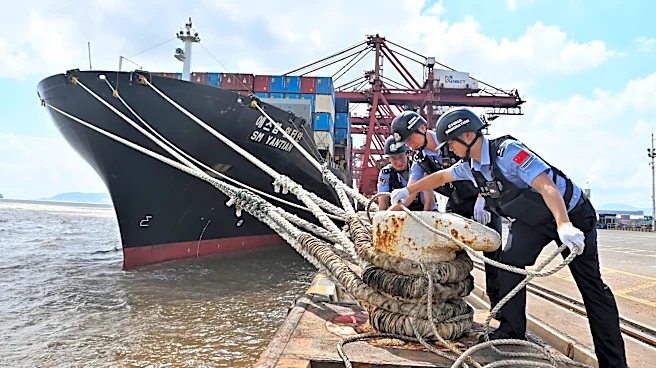
with significant rainfall over the next few days. Authorities in Beijing have activated a Level II flood control emergency, ordering evacuations and the suspension of construction and outdoor activities. The storm's impact is widespread, with forecasts predicting heavy to very heavy rainfall in multiple provinces.
Why It's Important?
The severe weather conditions caused by Typhoon Dolphin highlight the challenges of managing natural disasters in densely populated urban areas. The economic and social disruptions underscore the need for robust disaster preparedness and infrastructure resilience. This event also reflects the broader implications of climate change, as extreme weather events become more frequent and intense, necessitating comprehensive strategies to mitigate their impact. The situation emphasizes the importance of international cooperation in addressing climate-related challenges and developing sustainable solutions.
What's Next?
As the storm continues to affect northern regions, authorities are likely to maintain high alert levels and implement further safety measures. The focus will be on recovery and rebuilding efforts, as well as enhancing infrastructure resilience to withstand future storms. The situation may also prompt discussions on climate change adaptation and the need for international collaboration in developing sustainable solutions to mitigate the effects of extreme weather.