






What's Happening?
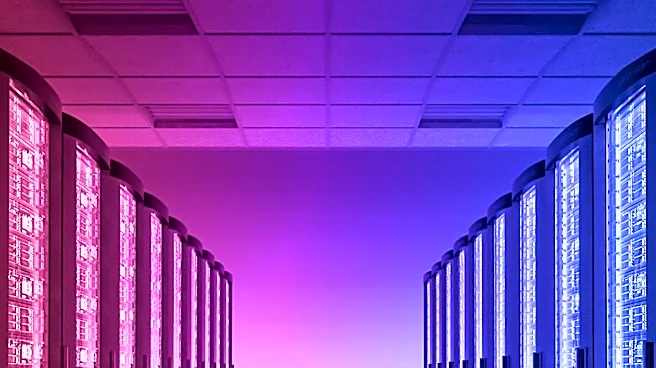
Erin Brockovich, the renowned environmental activist, is now focusing her efforts on challenging the rapid and opaque expansion of artificial intelligence data centers across the United States. Nearly three decades after her landmark case against Pacific
Gas & Electric Company (PG&E), Brockovich is targeting technology giants like Meta, Google, and Microsoft. She has launched Brockovich Data Center Reporting, an interactive citizen-reporting platform, to gather information on these facilities. Her concerns include the secrecy surrounding land acquisition, the enormous demands these centers place on energy and water resources, noise pollution, the use of persistent chemicals (PFAS), electronic waste generation, and the limited number of quality local jobs created relative to the land occupied.
Why It's Important?
Erin Brockovich's new activism against Big Tech's data centers is significant because it brings a high-profile voice to a critical, yet often overlooked, environmental and social issue in the U.S. The unchecked expansion of these data centers has substantial implications for local communities and national resources. Their massive energy consumption contributes to climate concerns, while their significant water usage can strain local supplies, particularly in drought-prone regions. The potential for chemical pollution and electronic waste also poses environmental risks. By drawing attention to these issues, Brockovich is forcing a public conversation about corporate accountability, sustainable development, and the environmental footprint of the digital economy, potentially influencing regulatory frameworks and corporate practices in the technology sector.
What's Next?
Brockovich's initiative, Brockovich Data Center Reporting, is expected to galvanize local communities and provide a platform for citizens to document and report on the impacts of data center development. This citizen-led data collection could form the basis for future legal challenges, public awareness campaigns, and advocacy efforts aimed at increasing transparency and regulation in the tech industry. Major stakeholders, including technology companies, local governments, and environmental organizations, will likely react to these efforts. Companies may face increased pressure to adopt more sustainable practices and disclose their environmental impacts, while policymakers might consider new legislation to address the environmental and social concerns raised by data center expansion. The long-term outcome could be a shift towards more environmentally conscious and community-integrated development of digital infrastructure.
Beyond the Headlines
Erin Brockovich's pivot to challenging Big Tech's data centers highlights a deeper societal tension between technological advancement and environmental sustainability. This issue extends beyond immediate environmental concerns to touch upon ethical considerations regarding corporate power, data privacy, and the equitable distribution of resources. The secrecy surrounding land acquisitions for these centers raises questions about democratic oversight and community input in major infrastructure projects. Furthermore, Brockovich's continued activism, rooted in her lived experience and advocacy for consumer rights, challenges the traditional notion of expertise, emphasizing the legitimacy of lay knowledge and community-based insights in addressing complex environmental problems. Her work underscores the evolving nature of environmental justice, adapting to new forms of industrial impact in the digital age and advocating for a more holistic approach to technological development that prioritizes both innovation and ecological responsibility.