
What's Happening?
Federal authorities have charged 15 individuals in Minnesota with defrauding government social service programs. This announcement follows a significant investigation into fraudulent activities involving
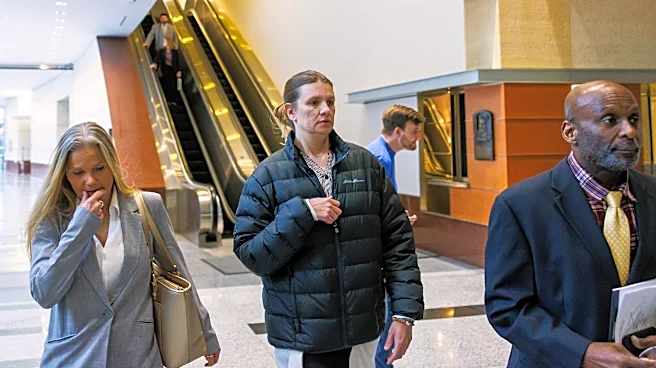
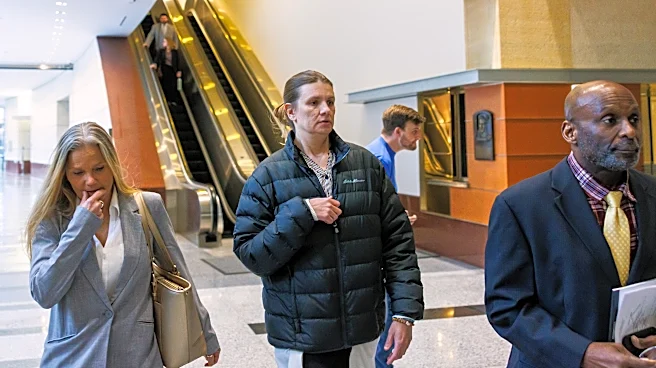
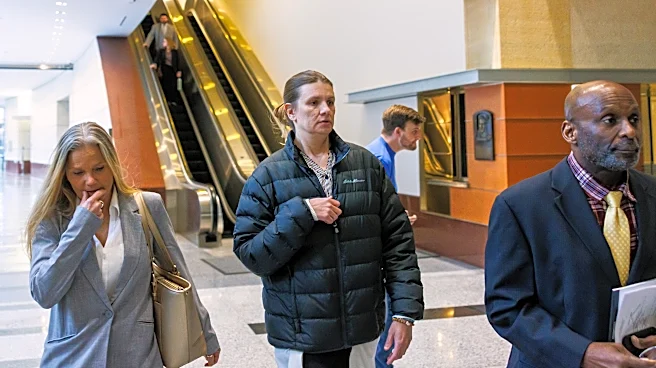
the theft of over $90 million in taxpayer money. The charges include allegations of falsely diagnosing children with autism to receive government funds, marking what officials describe as the largest autism fraud scheme ever charged by the Department of Justice. The investigation is part of a broader effort to combat fraud in Minnesota, which has seen significant misuse of federal funds, particularly during the pandemic. Aimee Bock, previously convicted for her role in a related fraud scheme, was sentenced to nearly 42 years in prison. The fraud involved exploiting lax rules intended to prevent economic collapse during the pandemic, resulting in the theft of over $250 million, with only $50 million recovered.
Why It's Important?
The charges highlight a significant misuse of government resources intended to support vulnerable populations, such as children and individuals with disabilities. The fraud not only represents a substantial financial loss but also undermines public trust in social service programs. The case underscores the need for stringent oversight and accountability in the administration of federal funds. The involvement of high-profile figures and the scale of the fraud have drawn national attention, emphasizing the importance of safeguarding public funds against exploitation. The crackdown on fraud is part of a broader federal initiative to ensure that taxpayer money is used appropriately and to deter future fraudulent activities.
What's Next?
Federal authorities have indicated that this is just the beginning of their efforts in Minnesota, suggesting that more charges and investigations may follow. The expansion of a 'strike force' of federal prosecutors in the Midwest aims to intensify the crackdown on fraud. The state of Minnesota may need to implement stricter controls and oversight mechanisms to prevent future fraud. Additionally, the federal government may require the state to revalidate its service providers to restore funding that has been deferred. The ongoing investigations and legal proceedings will likely continue to unfold, with potential implications for policy changes at both state and federal levels.