
What's Happening?
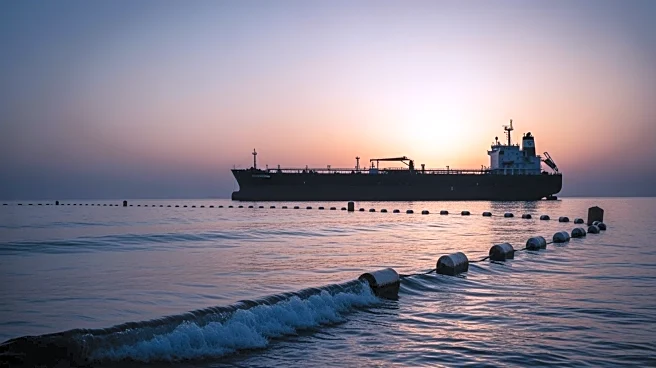
A sanctioned tanker carrying approximately 300,000 barrels of naphtha from Russia has entered Venezuelan waters, according to ship tracking data. This movement comes amid President Trump's recent order
to blockade all sanctioned oil tankers bound for or departing from Venezuela. The directive has led to significant disruptions, with three other sanctioned tankers either halting navigation or redirecting their courses in the Atlantic Ocean. This situation highlights the complexities and immediate impacts of the U.S. administration's sanctions policy on global maritime operations, particularly concerning oil shipments to the OPEC nation.
Why It's Important?
The blockade ordered by President Trump represents a significant escalation in U.S. sanctions against Venezuela, aiming to cut off the country's access to international oil markets. This move could have far-reaching implications for global oil supply chains and the economies of both Venezuela and its trading partners. For Venezuela, which relies heavily on oil exports for revenue, the blockade could exacerbate economic challenges and fuel political tensions. For international shipping companies, the blockade introduces new risks and uncertainties, potentially affecting global oil prices and market stability. The situation underscores the geopolitical tensions surrounding U.S. foreign policy and its impact on international trade.
What's Next?
The immediate future may see increased diplomatic tensions as Venezuela and its allies respond to the U.S. blockade. Shipping companies might seek alternative routes or legal challenges to navigate the sanctions, while countries dependent on Venezuelan oil could explore new supply sources. The U.S. administration may face international scrutiny and pressure to justify the blockade's impact on global trade. Additionally, the situation could lead to further policy developments as stakeholders assess the economic and political fallout.