





What's Happening?
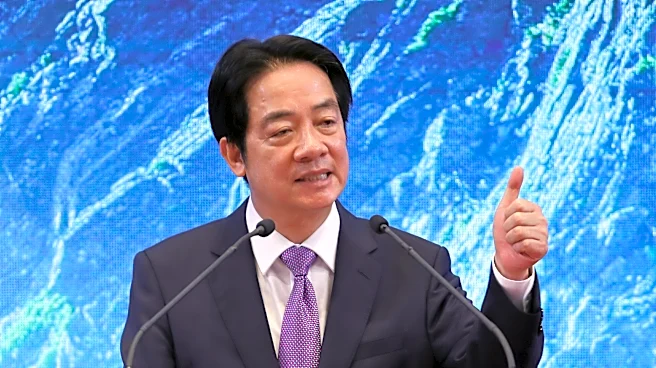
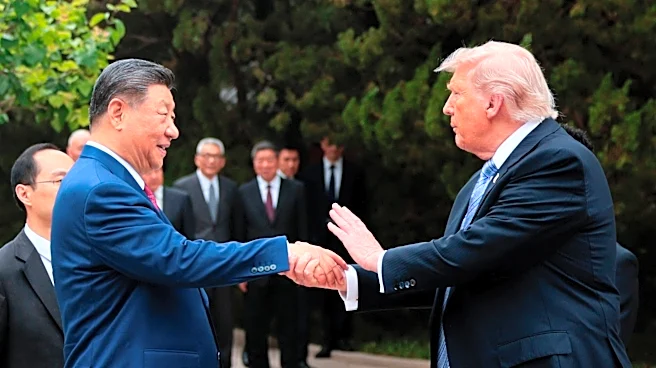
President Trump announced his intention to speak with Taiwan's President Lai Ching-te, marking a significant departure from longstanding U.S. diplomatic practices. This move could potentially strain U.S.-China relations, as China views Taiwan as part of
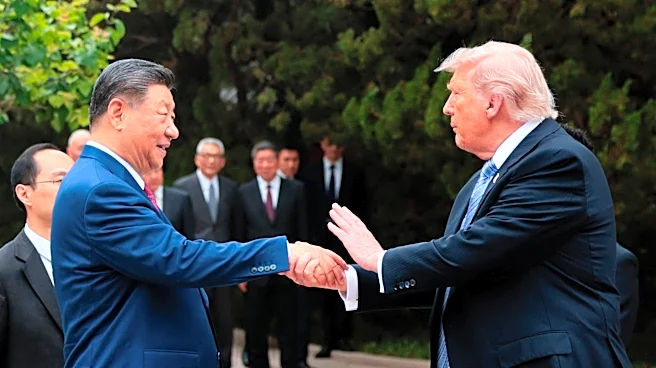
its territory. Historically, U.S. presidents have avoided direct communication with Taiwanese leaders since the U.S. recognized Beijing over Taipei in 1979. Trump's comments come amid ongoing U.S. military support for Taiwan, which has been a point of contention with China. The announcement follows Trump's recent visit to Beijing and his ongoing discussions about a potential $14 billion arms sale to Taiwan.
Why It's Important?
This development is significant as it could alter the delicate balance of U.S.-China-Taiwan relations. Direct communication between U.S. and Taiwanese leaders could be perceived by China as a challenge to its sovereignty claims over Taiwan, potentially escalating tensions in the region. The U.S. has strategic interests in Taiwan, a major trading partner and a key player in the global semiconductor industry. The situation highlights the complexities of U.S. foreign policy in balancing relations with China while supporting Taiwan's defense capabilities.
What's Next?
The potential call between President Trump and President Lai has not been scheduled yet, and its occurrence could provoke a strong reaction from China. The U.S. administration may face diplomatic challenges in managing the fallout from this decision. Additionally, the outcome of the proposed arms sale to Taiwan remains uncertain, with implications for U.S.-China relations and regional security dynamics.