






What's Happening?
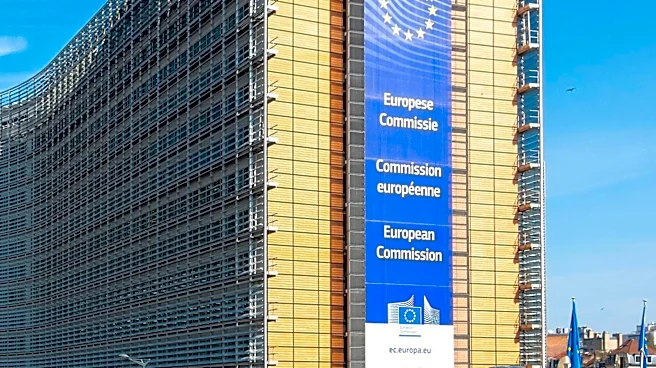
The European Union is in the process of reforming the Sustainable Finance Disclosure Regulation (SFDR) with a proposal to replace the current framework with three voluntary categories: Sustainable, Transition, and ESG Basics. The reform aims to address
fossil fuel exposure and exemptions for alternative investment funds offered exclusively to professional investors. The European Commission, Council of the European Union, and European Parliament are negotiating the specifics, with the Council proposing a softer stance on fossil fuel exclusions and the European Parliament yet to finalize its position. The reform is expected to extend the application period from 18 to 24 months following its entry into force.
Why It's Important?
The SFDR 2.0 reform is significant as it seeks to enhance transparency and accountability in sustainable finance, impacting asset managers, investors, and financial institutions. The debate over fossil fuel exclusions and investment fund exemptions highlights the challenges in balancing environmental goals with economic interests. The outcome of these negotiations will influence investment strategies, particularly in the transition to a low-carbon economy. The reform also addresses concerns about greenwashing and aims to provide clearer guidelines for sustainable investments, which is crucial for fostering investor confidence and promoting sustainable economic growth.
What's Next?
The European Parliament is expected to finalize its position in September 2026, after which the trilogue negotiations can begin. The outcome will determine the final structure of the SFDR 2.0 and its implementation timeline. Stakeholders, including asset managers and investors, will need to prepare for the new disclosure requirements and assess their portfolios' alignment with the revised categories. The reform may also prompt further discussions on the role of fossil fuels in sustainable finance and the criteria for investment fund exemptions.