





What's Happening?
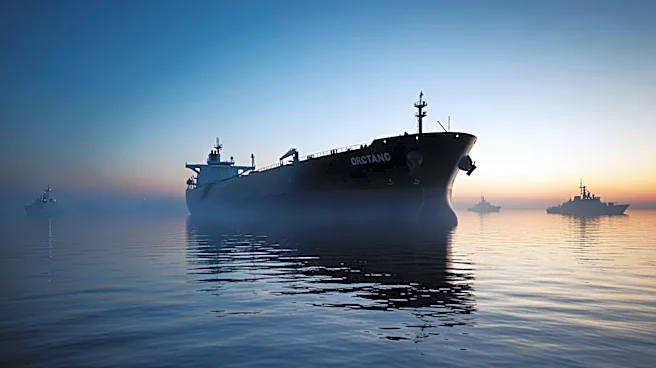
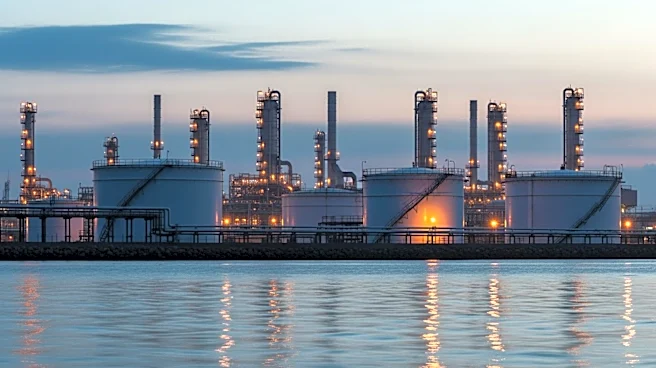
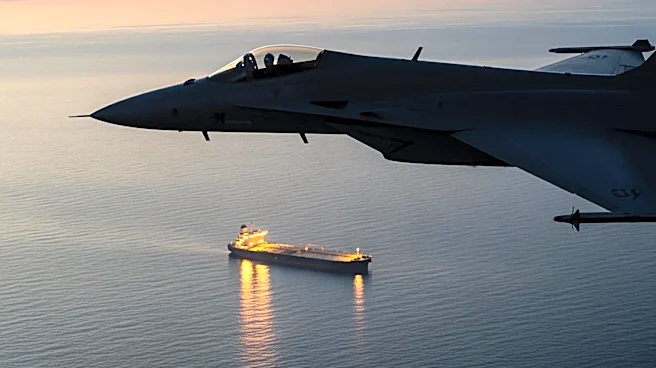
Iran has reduced its oil production by 400,000 barrels per day due to a US naval blockade that has restricted its ability to export oil. The blockade has led to a buildup of crude oil in Iranian storage facilities, which are nearing capacity. The reduction
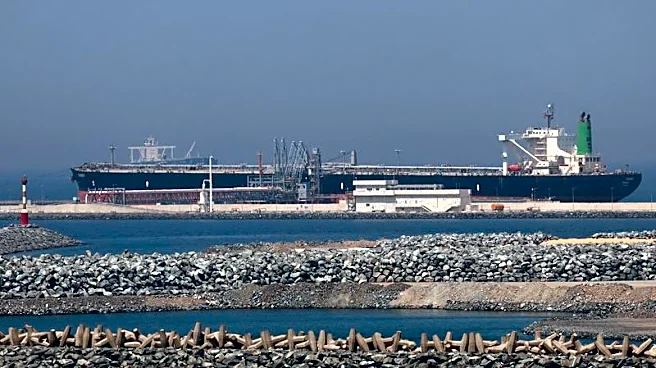
in production is expected to continue as storage space becomes increasingly limited. The blockade has significantly decreased Iran's oil exports, with only a few carriers leaving the Gulf of Oman in recent weeks.
Why It's Important?
The reduction in Iranian oil production has implications for global oil markets, as it contributes to supply constraints and potential price volatility. The blockade is part of the US strategy to pressure Iran into ending its nuclear program and reopening the Strait of Hormuz. The situation highlights the geopolitical risks associated with energy markets and the potential for supply disruptions to impact global economies. The ongoing conflict underscores the importance of diplomatic solutions to ensure stable energy supplies.
What's Next?
The US and Iran are engaged in negotiations to resolve the conflict, with the potential for a deal that could lift the blockade and restore oil exports. The outcome of these talks will be critical in determining the future of Iran's oil production and its impact on global markets. The international community will be closely monitoring the situation, as any resolution could lead to changes in energy policies and market dynamics.