





What's Happening?
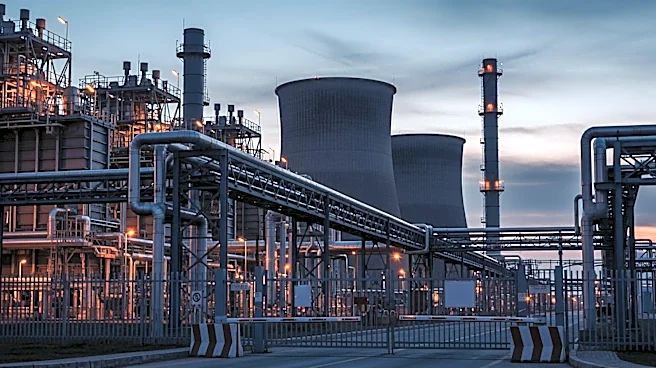
As President Trump sets a deadline for Iran to agree to reopen the Strait of Hormuz, the Iranian regime has called on young people to form human chains around critical infrastructure, such as power plants. This move is seen as a symbolic act of resistance
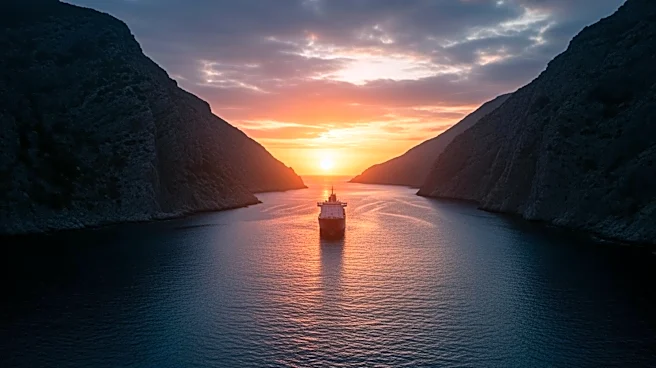
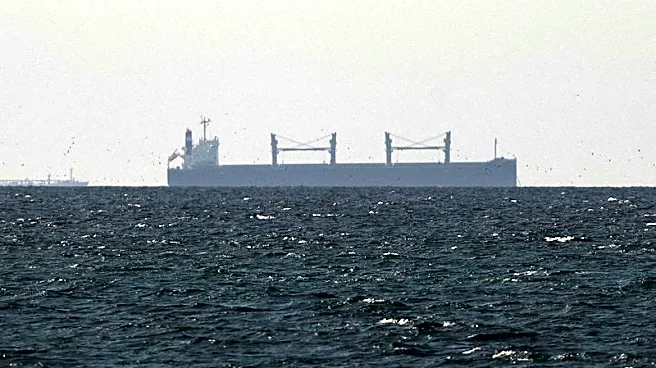
against potential U.S. military actions. The Strait of Hormuz is a vital passage for global oil trade, and its closure could have significant economic repercussions. The Iranian government's call to action reflects the heightened tensions and the potential for conflict if negotiations fail.
Why It's Important?
The mobilization of Iranian youth highlights the domestic response to international pressure and the potential for civil unrest. The closure of the Strait of Hormuz would disrupt global oil supplies, affecting economies worldwide. The situation underscores the geopolitical significance of the region and the potential for conflict to impact global markets and energy security. The U.S. administration's handling of the situation will be scrutinized for its implications on international diplomacy and regional stability.
What's Next?
If the deadline passes without an agreement, the U.S. may proceed with military actions, further escalating tensions. The international community will likely respond with calls for diplomacy and restraint to prevent a broader conflict. The situation may also influence future negotiations on nuclear and regional security issues, as well as U.S. relations with allies and adversaries in the Middle East.