







What's Happening?
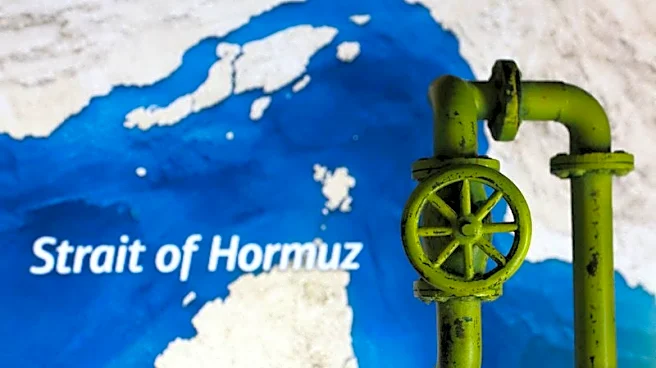
Saudi Arabia is urging the United States to lift its blockade of the Strait of Hormuz and re-engage in negotiations with Iran. This request comes amid fears that the ongoing blockade could lead to broader regional tensions, particularly affecting Red
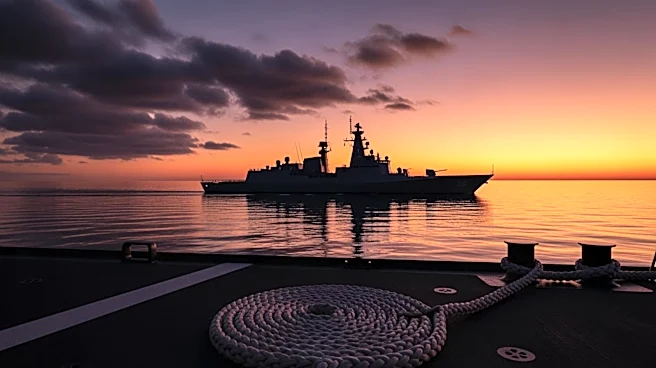
Sea shipping routes and Saudi oil exports. The kingdom is concerned that Iran might use the Houthi rebels in Yemen to threaten the Bab al-Mandeb Strait, a crucial maritime passage. Such actions could exacerbate disruptions in global energy markets, which are already under strain. The blockade, announced by President Trump, aims to counter Iran's actions and its reluctance to make concessions in ongoing talks. The U.S. Navy has been tasked with intercepting vessels in international waters that have paid tolls to Iran. The situation has already impacted shipping, with a sanctioned Chinese tanker being the first to exit the Gulf since the blockade's implementation.
Why It's Important?
The blockade of the Strait of Hormuz is significant due to its potential impact on global energy security and regional stability. The strait is a vital artery for nearly a quarter of the world's seaborne oil trade. Any disruption could destabilize markets and undermine the Gulf's reputation as a reliable energy supplier. For Saudi Arabia, the blockade poses a strategic risk, as it relies on both the Strait of Hormuz and the Bab al-Mandeb Strait for oil exports. The kingdom's call for renewed diplomacy highlights the importance of maintaining open and secure maritime routes to ensure global energy flow. The situation underscores the delicate balance between exerting pressure on Iran and avoiding escalation that could lead to broader conflict.
What's Next?
Saudi Arabia and other Gulf states are likely to continue advocating for diplomatic solutions to the crisis. They may seek international support to ensure the safe passage of vessels through the Strait of Hormuz and other critical maritime routes. The U.S. and Iran might explore renewed diplomatic engagements to de-escalate tensions, although the path forward remains uncertain. The potential for further disruptions in global energy markets will keep stakeholders vigilant, as any escalation could have far-reaching economic consequences.
Beyond the Headlines
The blockade raises questions about the effectiveness of using military pressure to achieve diplomatic goals. It also highlights the interconnectedness of global energy markets and the geopolitical risks associated with key maritime chokepoints. The situation may prompt discussions on diversifying energy supply routes and reducing dependency on vulnerable passages. Additionally, the role of regional actors like the Houthis in broader geopolitical strategies could become a focal point for future diplomatic and military considerations.