




What's Happening?
The Libyan Ministry of Planning in Tripoli has announced that its Minister of Planning convened a meeting with the committee responsible for developing a fuel subsidy reform plan. The primary objective of this meeting was to review the committee's progress
and discuss various proposals aimed at reforming fuel subsidies while simultaneously protecting the purchasing power of Libyan citizens. The discussions included an examination of four potential models for distributing cash transfers as an alternative to direct subsidies. Although the specific details of these models were not disclosed by the Ministry, the committee also delved into the technical and operational aspects of these proposals, including mechanisms for calculating and disbursing allocations. This initiative is part of an ongoing effort to finalize a comprehensive reform plan that considers economic, social, and implementation requirements. Previous proposals from April 2024 by PM Abdel Hamid Aldabaiba included direct cash payments, salary increases, or preloaded cards for subsidized fuel quotas.
Why It's Important?
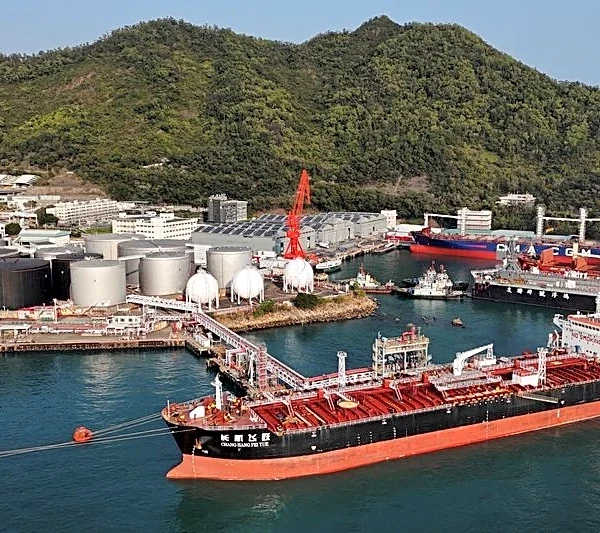
The reform of fuel subsidies in Libya is a critical issue with significant economic and social implications. The current system, where fuel is sold at extremely low prices (approximately US$0.02/liter), leads to widespread fuel smuggling to neighboring countries where prices are substantially higher. This not only results in massive financial losses for the Libyan state due to the need to import fuel at international prices but also fuels corruption and inefficient consumption. Reforming these subsidies could free up significant hard currency resources that are currently drained by imports and smuggling, allowing for much-needed investment in infrastructure, health, education, and human resource development. However, the process is fraught with challenges, as subsidies have become a deeply ingrained cultural expectation, and past attempts at reform have faced political resistance and public apprehension regarding the government's ability to deliver alternative support mechanisms.
What's Next?
The Ministry of Planning's committee will continue its work to finalize a comprehensive fuel subsidy reform plan. This will involve further refinement of the proposed cash transfer models and detailed planning for their technical and operational implementation. A key challenge will be to build public trust and secure political consensus for any proposed changes, given the historical reluctance of successive governments to tackle this issue due to fears of civil disobedience. The government will likely need to clearly communicate the benefits of reform, such as reduced corruption and increased funds for public services, while also demonstrating a credible plan for ensuring that citizens' purchasing power is genuinely protected through reliable cash transfer mechanisms. The success of partial reforms, such as the introduction of prepaid electricity and water meters in some urban centers, may offer a template for gradually shifting public perception and acceptance of paying for services.
Beyond the Headlines
The debate over fuel subsidy reform in Libya extends beyond mere economic policy; it touches upon deep-seated cultural norms, political legitimacy, and the social contract between the government and its citizens. For decades, subsidies have been viewed by many Libyans as a form of entitlement, a direct benefit from the nation's oil wealth, especially in the absence of robust public services and development. The reluctance of past governments, including during the Qaddafi era, to implement reforms highlights the perceived political risk of challenging these expectations. The current government faces the delicate task of balancing economic necessity with social stability. Successfully navigating this reform would not only stabilize the national budget but could also signal a shift towards more accountable governance and a more sustainable economic model, potentially fostering greater public trust if the benefits are clearly demonstrated and equitably distributed.