


What's Happening?
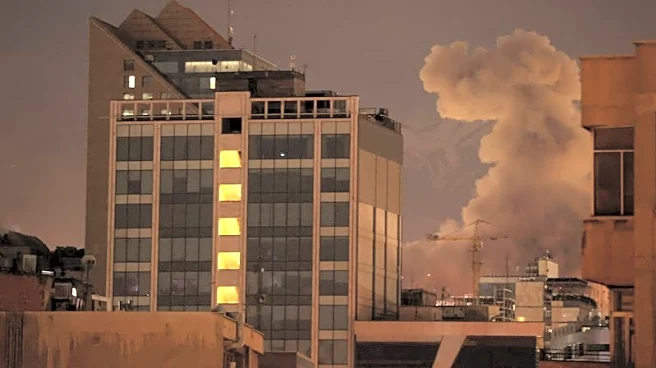
President Trump has compared U.S. operations in Venezuela to those in Iran, highlighting differences in execution and outcomes. In Venezuela, limited strikes facilitated the capture of Nicolás Maduro, leading to a swift political shift. In contrast, broader
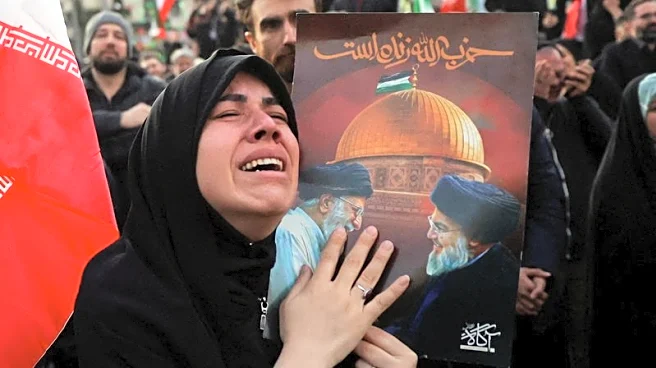
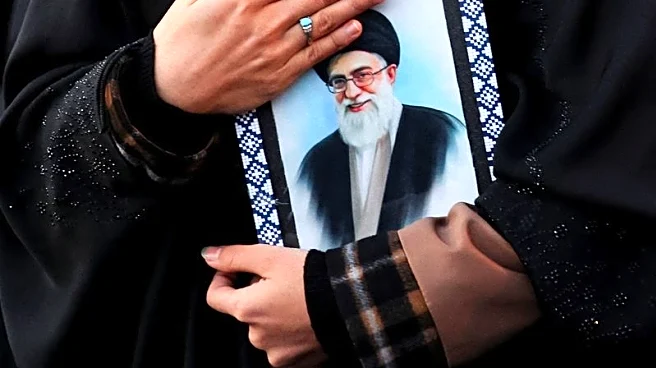
strikes in Iran, involving the U.S. and Israel, resulted in the death of Ayatollah Ali Khamenei and significant Iranian retaliation. The Iranian regime's distributed power structure has allowed it to withstand leadership decapitation, unlike Venezuela's centralized system.
Why It's Important?
The comparison underscores the complexity of regime change efforts in different geopolitical contexts. While Venezuela's political landscape allowed for a rapid transition, Iran's entrenched power dynamics present significant challenges. The U.S. strategy in Iran could lead to prolonged conflict, affecting regional stability and U.S. foreign policy. The situation highlights the limitations of military interventions in achieving political objectives, especially in ideologically driven regimes like Iran.
What's Next?
The ongoing conflict with Iran is unpredictable, with potential for further escalation. The U.S. may face challenges in finding a successor to Khamenei who aligns with its interests. Iran's retaliation capabilities and the absence of a clear opposition leader complicate the situation. The international community will likely monitor developments closely, as the conflict could have broader implications for Middle Eastern geopolitics.