



What's Happening?
Shehzad Qazi, the Chief Operating Officer of China Beige Book, has highlighted the impact of the ongoing war in Iran on the United States' broader strategy towards China. During an appearance on 'Squawk Box', Qazi discussed how the conflict in Iran is affecting
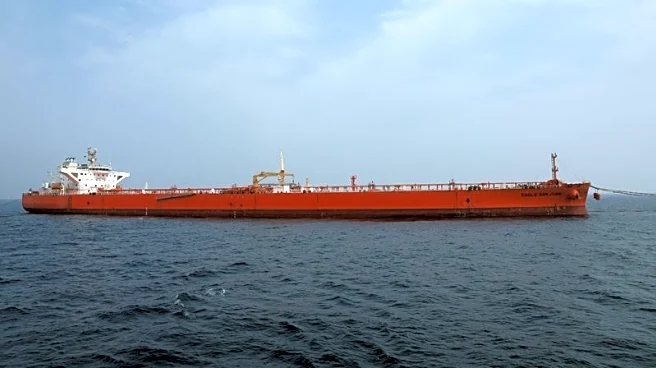
the Chinese economy and the broader Asian region. He noted that China is well-positioned to manage the current disruptions in the oil market caused by the war. The conflict has also raised questions about the clarity of U.S. strategic goals in the region, as former Defense Secretary Mark Esper pointed out that the war is impacting the support from U.S. allies. The situation is further complicated by the upcoming Trump-Xi summit, which could influence diplomatic relations and economic strategies between the U.S. and China.
Why It's Important?
The war in Iran poses significant challenges to U.S. foreign policy, particularly in its dealings with China. As the conflict disrupts oil markets, China's ability to navigate these disruptions could strengthen its economic position in Asia. This development could shift the balance of power in the region, potentially undermining U.S. influence. The lack of clear strategic goals from the U.S. may weaken its alliances, as allies may question the U.S.'s commitment and direction. The upcoming Trump-Xi summit adds another layer of complexity, as it could either ease tensions or exacerbate them, depending on the outcomes of the discussions. The situation underscores the interconnectedness of global conflicts and economic strategies, highlighting the need for coherent and adaptable foreign policy approaches.
What's Next?
The next steps involve closely monitoring the outcomes of the Trump-Xi summit, as it could significantly impact U.S.-China relations and the broader geopolitical landscape. The U.S. may need to reassess its strategic goals in the Middle East to ensure continued support from its allies. Additionally, the U.S. might explore alternative strategies to counterbalance China's growing influence in the region. The ongoing developments in the oil market will also require attention, as they could have long-term economic implications for both the U.S. and China. Stakeholders, including political leaders and economic analysts, will likely continue to evaluate the situation to adapt their strategies accordingly.