





What's Happening?
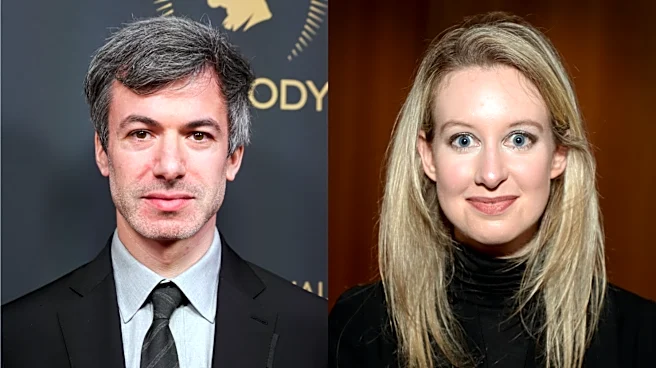
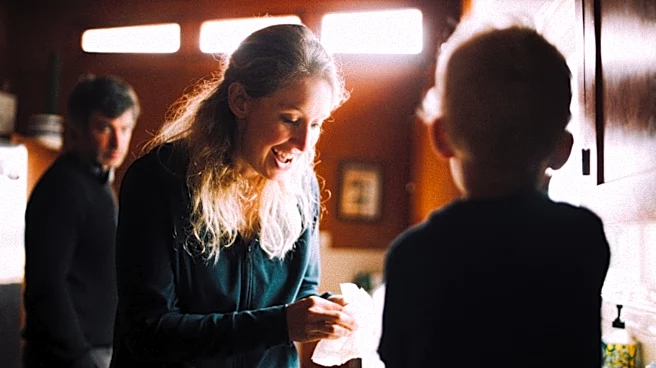
A new documentary titled 'You Can See Everything,' co-directed by Nathan Fielder and Lance Oppenheim, has been unveiled, focusing on Elizabeth Holmes, the founder of Theranos. The film, which was largely kept secret for three years, began production 34
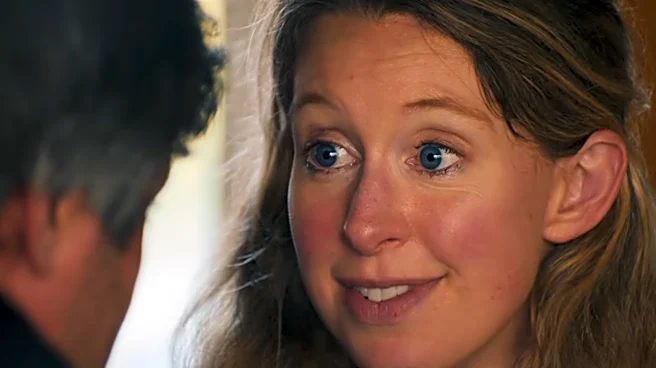
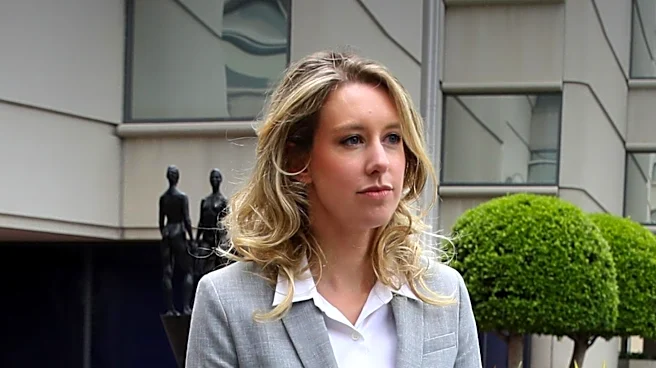
days before Holmes was scheduled to report to federal prison. It offers extensive access to Holmes, her partner Billy Evans, and their two young children. The documentary's synopsis indicates it starts as an intimate portrait of an enigmatic felon and evolves into a three-year journey. Holmes was convicted in 2022 of one count of conspiracy to commit wire fraud against Theranos investors and three counts of wire fraud against individual investors, involving over $140 million. She was sentenced to 135 months (11 years and three months) in federal prison, followed by three years of supervision, and began her sentence in May 2023. Her projected release is March 2032.
Why It's Important?
This documentary is significant as it provides an unprecedented, intimate look into the life of a prominent figure in one of Silicon Valley's most high-profile fraud cases. The extensive access granted to filmmakers by Elizabeth Holmes herself, particularly during her final weeks before incarceration, offers a unique perspective on her personal experience amidst a major legal and public downfall. The film's unconventional approach, as noted by early reviews, could reshape public perception and understanding of the Theranos saga, moving beyond the established narratives of corporate fraud and legal proceedings. It highlights the human element behind a scandal that impacted investors and raised critical questions about startup culture and technological claims. The ongoing legal ramifications, including a federal appeals court upholding her conviction and a restitution order of $452 million, underscore the lasting impact of her actions on the financial and legal landscape.
What's Next?
The documentary 'You Can See Everything' is scheduled for release in theaters in October, following its surprise screening at the Telluride Film Festival. Its public release will likely reignite discussions surrounding Elizabeth Holmes, Theranos, and the broader implications of corporate fraud in the tech industry. Viewers and critics will analyze the film's portrayal of Holmes and her narrative, potentially influencing public opinion and media discourse. Legally, Holmes is currently serving her sentence, with a projected release in March 2032. The federal appeals court's rejection of her attempt to overturn her conviction and the upheld restitution order mean that the legal consequences of her actions are firmly in place. Future developments could include further appeals or legal actions related to the restitution, though the primary legal battles appear to be concluded.
Beyond the Headlines
The documentary delves into the complex interplay between public perception, media narrative, and personal reality in high-profile legal cases. By granting filmmakers access, Elizabeth Holmes may be attempting to shape her legacy or offer a personal account that contrasts with the established public and legal record. The involvement of Nathan Fielder, known for blurring lines between reality and performance, suggests the film might explore deeper themes of truth, deception, and self-perception, rather than a straightforward journalistic account. This raises ethical questions about the portrayal of convicted individuals and the potential for media to influence public sentiment. The Theranos case itself has already triggered broader discussions about due diligence in venture capital, the pressures of startup culture, and the ethical responsibilities of innovators, and this film could further contribute to these ongoing societal reflections.