





What's Happening?
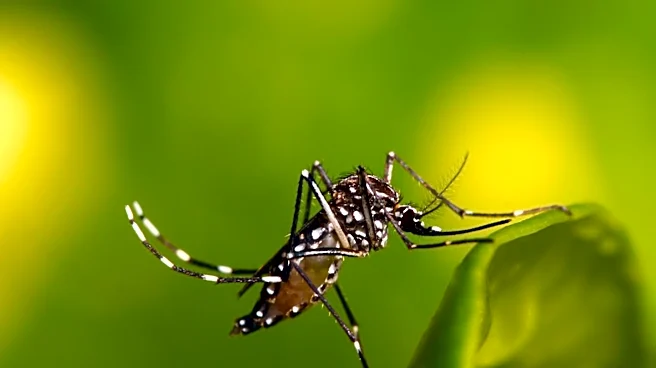
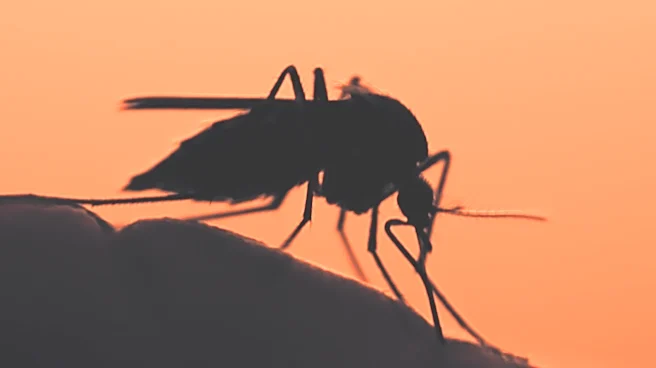
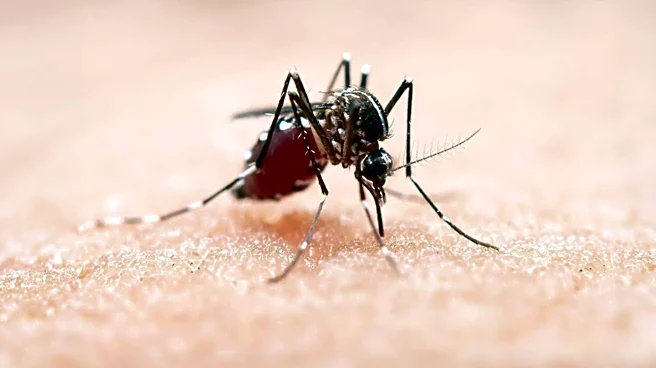
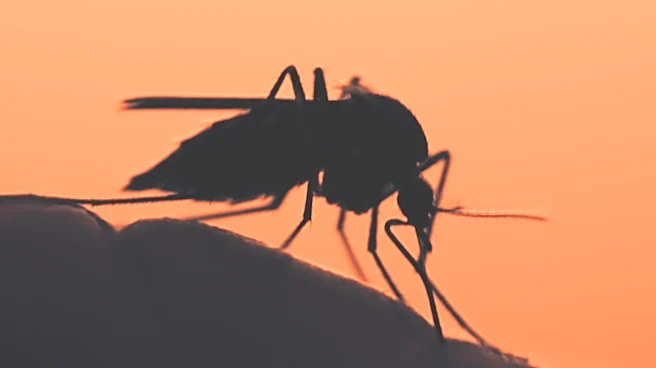
Washington D.C. is initiating a new mosquito control program involving the release of 600,000 male mosquitoes infected with Wolbachia bacteria. This method aims to reduce the overall mosquito population by preventing the hatching of eggs. Male mosquitoes,
which do not bite humans, are central to this strategy. When these Wolbachia-infected males mate with wild female mosquitoes, the bacteria interfere with the reproductive process, rendering the eggs non-viable. This approach, described as 'fighting fire with fire,' is a novel method for mosquito control in the United States, though similar techniques have been successfully implemented in other countries. For instance, places like Singapore have reported significant reductions in mosquito populations, ranging from 80% to 90%, using comparable methods. The initiative addresses the growing concern over mosquito-borne diseases, especially as climate change contributes to the expansion of mosquito habitats into more temperate regions.
Why It's Important?
This innovative mosquito control strategy in Washington D.C. holds significant implications for public health and environmental management in the U.S. Mosquitoes are globally recognized as the deadliest animals due to their role as vectors for various diseases, including dengue, Zika, and West Nile virus. By reducing mosquito populations, this program could lead to a decrease in the incidence of these diseases, thereby improving public health outcomes and reducing healthcare burdens. The success of this method in D.C. could pave the way for its adoption in other U.S. cities and regions grappling with mosquito-related health threats. Furthermore, it represents a shift towards more biologically-based pest control methods, potentially reducing reliance on chemical insecticides, which can have broader environmental impacts. The program also serves as a real-world test case for adapting successful international pest control strategies to the specific ecological and urban environments of the United States.
What's Next?
The immediate next steps involve monitoring the effectiveness of the released Wolbachia-infected mosquitoes in reducing the local mosquito population in Washington D.C. Scientists and public health officials will likely track mosquito density, breeding rates, and potentially disease transmission rates to assess the program's success. If the initiative proves effective, there could be discussions about expanding the program to other areas within D.C. or replicating it in other U.S. cities facing similar mosquito challenges. Further research may also be conducted to optimize the release strategies, understand any long-term ecological impacts, and explore the potential for integrating this method with other mosquito control techniques. The results from D.C. will be crucial in informing future public health policies and pest management strategies across the nation, especially as climate change continues to influence vector-borne disease patterns.
Beyond the Headlines
The deployment of Wolbachia-infected mosquitoes in D.C. highlights a broader trend in pest management towards biotechnological solutions. This approach raises interesting ethical and ecological considerations. Ethically, it involves intentionally altering natural populations, which can spark debates about human intervention in ecosystems. Ecologically, while Wolbachia is naturally occurring and the method targets specific mosquito species, long-term studies are essential to ensure there are no unforeseen impacts on the broader ecosystem or non-target species. This initiative also underscores the increasing urgency to develop sustainable and effective vector control methods in the face of climate change, which is expanding the geographical range and breeding seasons of disease-carrying mosquitoes. The success or failure of this program could influence public perception and acceptance of similar genetic or biological interventions for pest control, shaping future public health strategies and research priorities in the field of entomology and epidemiology.