

What's Happening?
The Ocean Cleanup, a nonprofit organization, has received a $121 million commitment from The Audacious Project to fund its 30 Cities Program. This initiative aims to tackle plastic pollution in 30 major polluting cities across Asia and the Americas. The funding
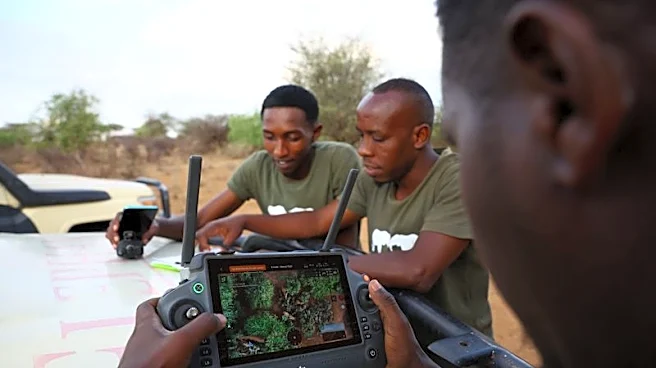
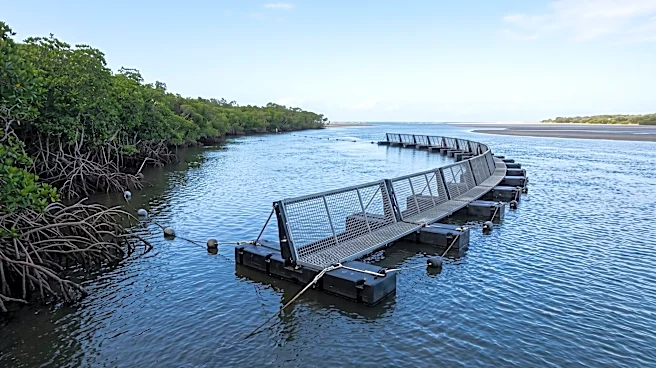
represents a portion of the $350 million estimated to be needed for this stage of the program. The 30 Cities Program, announced at the United Nations Ocean Conference in Nice in June 2025, builds on five years of work across 20 of the world's most polluting rivers. It employs aerial drones, AI-assisted image analysis, and GPS-tagged test plastics to map waterways, followed by the deployment of Interceptor systems to collect floating rubbish. The program also plans to remove accumulated waste from coastlines, mangroves, and coral reefs. Cities like Jakarta, Kuala Lumpur, Manila, Barranquilla, and Santo Domingo are expected to receive Interceptor systems.
Why It's Important?
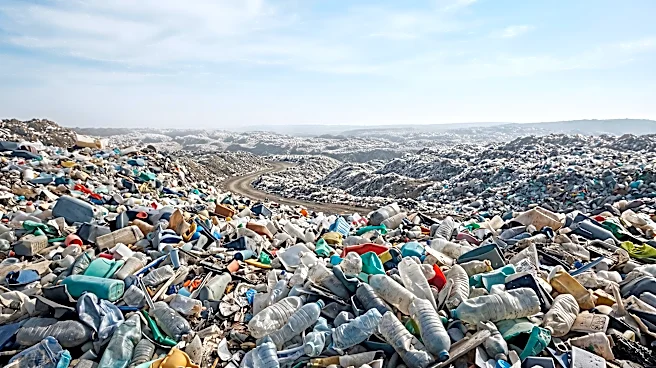
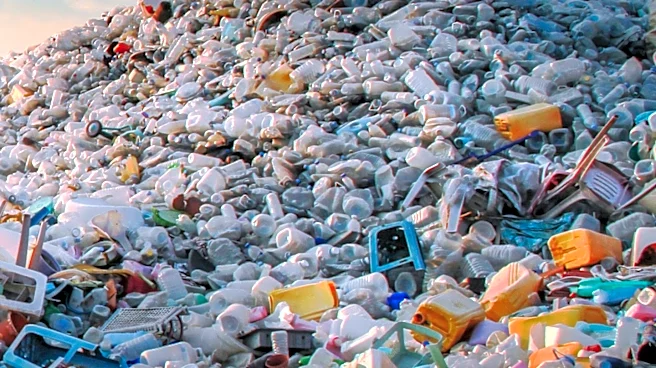
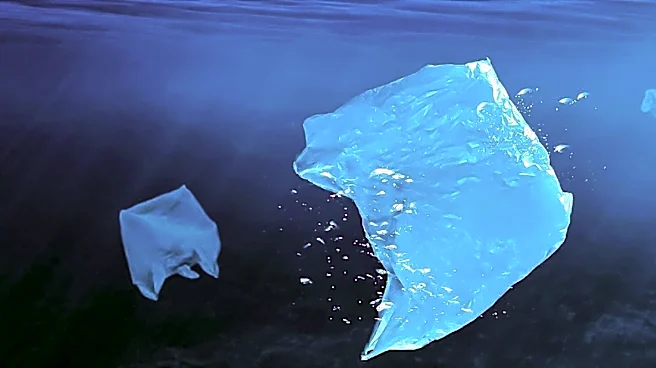
River plastic is a significant contributor to ocean pollution, and this program aims to prevent up to one-third of it from reaching the oceans by 2030. The strategy shifts from treating individual rivers as separate projects to addressing urban waterway systems holistically, which is expected to accelerate deployments, reduce costs, and increase the volume of waste intercepted. The Ocean Cleanup reports having removed over 65 million kilograms of rubbish and estimates its river operations stop 2-5% of global river-borne plastic emissions. This expansion is crucial for communities in affected regions, as cleaner waterways and coastlines can improve livelihoods, particularly for those dependent on fishing, and enhance public health and environmental quality. The initiative also highlights the growing role of philanthropic funding in addressing large-scale environmental challenges.
What's Next?
The next phase involves the deployment of Interceptor systems in the identified cities across Asia and the Americas. The program's immediate goal is to achieve its 2030 target of stopping one-third of river plastic from entering the oceans. This will require continued collaboration with local authorities, waste management partners, and communities to improve waste handling and raise public awareness. The success of these deployments will largely depend on the effectiveness of local waste management infrastructure in the participating cities. The organization also has a long-term ambition to remove 90% of floating ocean plastic pollution by 2040, making the progress of the 30 Cities Program a critical step towards that larger objective.
Beyond the Headlines
This initiative underscores a broader shift in environmental conservation strategies, moving towards proactive intervention at the source of pollution rather than solely focusing on post-pollution cleanup. The integration of advanced technologies like AI-assisted image analysis and drones in environmental efforts signifies a growing reliance on technological solutions for complex ecological problems. Furthermore, the program's emphasis on urban centers highlights the critical role cities play as major contributors to and potential solutions for global plastic pollution. The funding model, involving a significant philanthropic commitment, also points to the increasing necessity for diverse funding sources beyond traditional governmental or corporate channels to address global environmental crises, raising questions about the sustainability and scalability of such models in the long term.