






What's Happening?
A new study has found that pregnant women who adhere to a Mediterranean-style diet may significantly reduce their infants' risk of developing both colic and eczema. The research, which analyzed data from 1,324 mother-infant pairs from the Project Viva
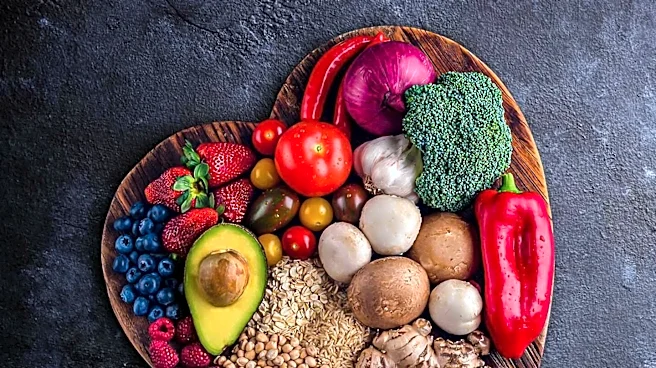
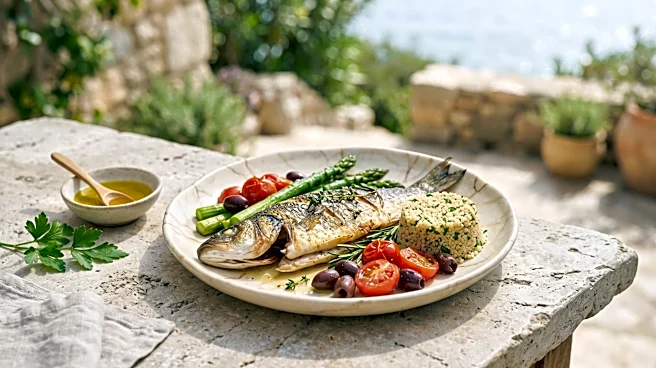
study, observed that babies whose mothers followed a healthier, Mediterranean-style diet were less likely to experience these conditions simultaneously. The Mediterranean diet emphasizes vegetables, fruits, fish, dairy, beans, whole grains, nuts, and healthy fats, while keeping red and processed meat intake low. Each additional point on the Mediterranean-style diet score was associated with approximately 15% lower odds of a baby having both colic and eczema. Conversely, diets promoting inflammation were linked to higher odds of these combined conditions. The study also highlighted that seafood consumption, a key component of the Mediterranean diet, was particularly associated with reduced risk, with each weekly serving linked to about 25% lower odds of the pairing.
Why It's Important?
This research is significant as it shifts the focus of infant colic and eczema prevention to the prenatal period, suggesting that maternal diet during pregnancy plays a crucial role. Historically, interventions for these conditions have largely concentrated on postnatal adjustments, such as changes to infant formula or a breastfeeding mother's diet. The findings could influence prenatal dietary recommendations, potentially leading to improved infant health outcomes and reduced distress for new parents. Given that colic and eczema often co-occur and can be linked to later allergic conditions like asthma and food allergies, early intervention through maternal diet could have long-term health benefits for children. The study also underscores the importance of accessible and affordable healthy food options, as the average maternal diet in the study scored only about half as healthy as recommended.
What's Next?
The researchers plan to continue following the Project Viva children into young adulthood to further explore the long-term health implications of early dietary patterns. Future studies will also investigate how diet after birth, including what babies are fed and what breastfeeding mothers consume, may relate to colic. The findings suggest a need for healthcare providers to emphasize the benefits of a Mediterranean-style diet during pregnancy and to consider dietary counseling as a preventative measure for infant colic and eczema. Policymakers may also need to consider initiatives that make healthy, whole-food diets more accessible and affordable for all pregnant individuals, ensuring that socioeconomic factors do not hinder adherence to beneficial dietary patterns. Further research is also needed to confirm the hypothesis that colic with eczema represents a distinct, allergy-related form of colic and to study the underlying biological mechanisms.
Beyond the Headlines
The study's implications extend beyond immediate infant health, touching upon broader public health and societal aspects. The emphasis on a whole-food, Mediterranean-style diet aligns with existing recommendations for overall health, suggesting a synergistic benefit for both maternal and infant well-being. The finding that seafood intake was strongly linked to lower risk highlights the importance of omega-3 fatty acids, known for their anti-inflammatory properties, in prenatal nutrition. This could lead to increased focus on sustainable seafood consumption during pregnancy. Furthermore, the study implicitly raises questions about the impact of modern Western diets, often high in processed foods and red meat, on infant health. It reinforces the idea that dietary choices have profound, intergenerational effects, influencing not just the individual but also the health trajectory of their offspring from the earliest stages of development.