







What's Happening?
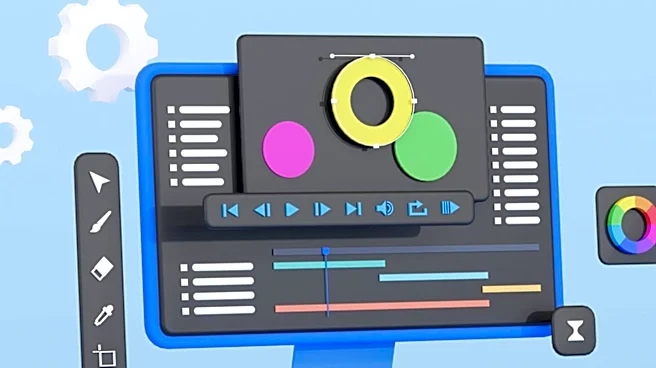
Figma users are encountering issues where animations of different variants of a component are displayed within the same timeline. This problem arises when a previously variant-less but animated component is given variant properties, and new instances
are created by duplicating. Instead of individual animations for each variant, the timeline shows all keyframes under all variants of the parent component, duplicated multiple times. This behavior disrupts the natural design workflow, as designers typically start with one instance, then duplicate and modify variants. The current system forces designers to create a dummy variant under a component before animating to avoid this issue, which is considered a limitation to efficient design practices within the platform.
Why It's Important?
This issue is significant for U.S. product designers, UX/UI teams, and companies relying on Figma for their design and prototyping workflows. The inability to manage animations independently for component variants creates inefficiencies, increases complexity, and can lead to errors in design systems. For businesses, this translates to longer design cycles, increased development costs due to potential misinterpretations of design intent, and a hindered ability to rapidly iterate on user interfaces. It impacts the scalability of design systems, making it challenging to maintain consistency and flexibility across a growing number of component states and interactions. Ultimately, it can affect the quality and speed of product development, impacting market competitiveness.
What's Next?
Figma's development team will likely need to address this reported issue to improve the platform's usability for advanced animation and component management. This could involve implementing a feature that allows animations to be detached and individually assigned to newly created property variants. User feedback from the design community will be crucial in guiding these improvements. Designers may continue to seek workarounds or adjust their workflows until a permanent solution is provided. The resolution of this issue would enhance Figma's position as a leading design tool, particularly for complex interactive prototyping and design system maintenance, benefiting a wide range of U.S. tech companies and design agencies.
Beyond the Headlines
The problem with Figma's animation timelines for component variants highlights a broader challenge in design software development: balancing powerful features with intuitive user experience. As design tools become more sophisticated, enabling complex animations and interactive prototypes, the underlying architecture must support flexible and logical management of these elements. This issue also underscores the importance of community feedback in software development, as user-reported problems often reveal critical gaps in functionality or workflow assumptions. The resolution of such technical challenges can influence industry standards for design tools, pushing competitors to offer similar or superior capabilities. It also reflects the increasing demand for high-fidelity prototyping in the U.S. tech industry, where interactive design is paramount for user testing and stakeholder communication.