



What's Happening?
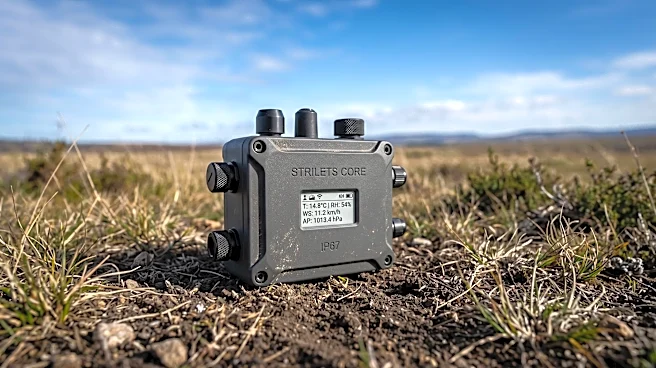
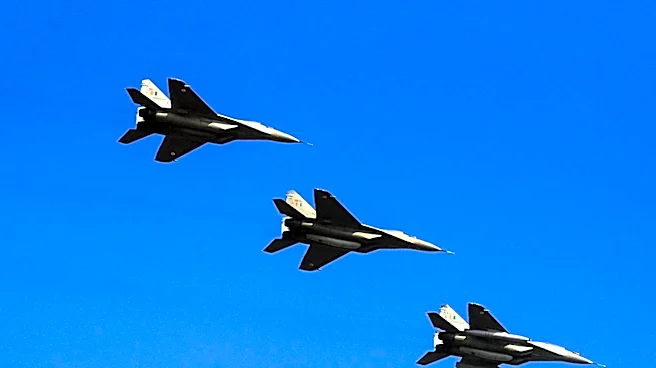
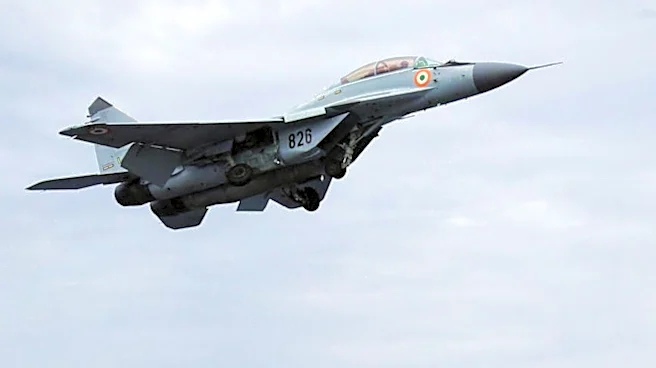
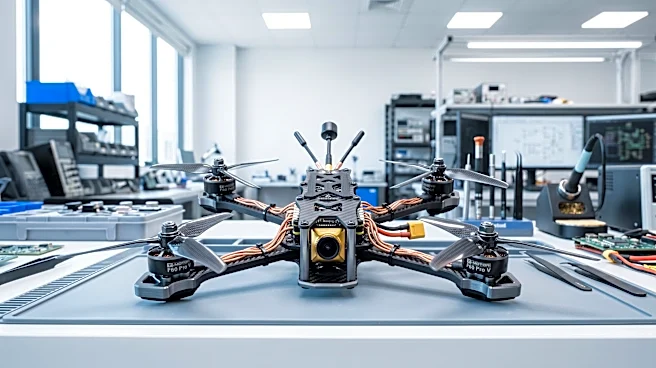
Ukraine and Poland are close to finalizing a deal where Poland will transfer two MiG-29 fighter jets to Ukraine. In return, Ukraine has agreed to share its anti-drone technology with Poland, as confirmed by Polish Deputy Defense Minister Cezary Tomczyk
on November 10. This development follows earlier difficulties in the proposed arrangement, with Polish Defense Minister Władysław Kosiniak-Kamysz stating in June 2026 that the MiG-29s would not be transferred due to Ukraine's reluctance to share its drone technologies. Tomczyk's recent announcement indicates that this major obstacle has been resolved, though a completed agreement or a specific transfer date has not yet been announced. The discussions also included broader military and industrial cooperation, as well as technology transfers, during Tomczyk's visit to Kyiv with Gen. Karol Domanowski, the first deputy chief of Poland's General Staff. Both nations are also exploring expanded cooperation within a multinational anti-ballistic missile coalition, which includes several European countries.
Why It's Important?
This agreement signifies a deepening of military and technological cooperation between Ukraine and Poland, crucial for both nations' defense capabilities. For Ukraine, acquiring additional MiG-29 fighter jets could bolster its air defense against ongoing aggression. For Poland, access to Ukraine's battlefield-tested drone and counter-drone technologies is highly valuable, given Ukraine's extensive experience in developing and deploying such systems against Russian forces. This exchange highlights the strategic importance of technological transfer in modern warfare and could set a precedent for future defense collaborations. The broader discussions on missile defense cooperation within a multinational coalition also underscore a collective effort among European nations to enhance regional security and develop advanced defense systems, particularly in intercepting ballistic missiles. Poland's offer to contribute P-18PL radar systems to this coalition further emphasizes its commitment to strengthening collective defense.
What's Next?
The immediate next step involves finalizing the remaining details of the agreement between Ukraine and Poland regarding the MiG-29 transfer and drone technology sharing. While a major hurdle has been cleared, both sides need to formally announce the completed deal and a timeline for the aircraft transfer. Following this, joint working groups on drone and counter-drone technologies are expected to be established, facilitating the practical exchange of expertise and systems. In parallel, discussions within the multinational anti-ballistic missile coalition will continue, focusing on the significant challenge of developing an interceptor missile. This will likely involve further collaboration among member countries and their respective defense industries to pool expertise and resources. The deployment of Poland's P-18PL radar systems, once integrated into the coalition's framework, will also be a key development to watch.
Beyond the Headlines
This agreement extends beyond a simple arms-for-technology exchange, reflecting a strategic realignment in regional defense partnerships. Ukraine's willingness to share its hard-won battlefield innovations in drone warfare indicates a shift towards more integrated defense strategies among allies, where practical combat experience is highly valued. For Poland, gaining access to these technologies could significantly enhance its own defense posture and potentially influence its future defense procurement and development strategies. The broader implication for the multinational anti-ballistic missile coalition is the potential for accelerated development of advanced defense capabilities, driven by shared threats and collaborative innovation. This could lead to a more robust and interconnected European air defense architecture, reducing reliance on external powers and fostering greater self-sufficiency in defense technology. The cooperation also underscores the evolving nature of warfare, where drone technology plays an increasingly critical role.