





What's Happening?
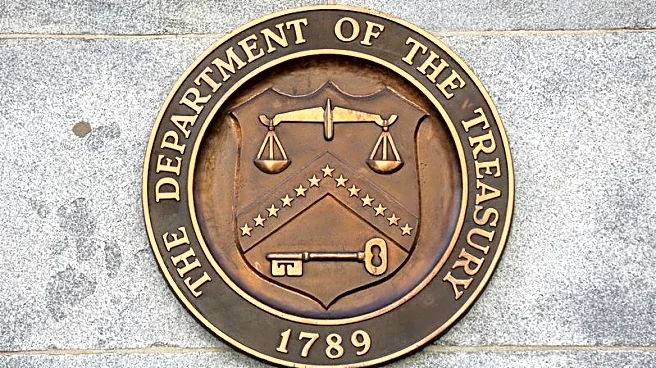
The U.S. Department of the Treasury's Office of Foreign Assets Control (OFAC) has designated 12 individuals and entities for their involvement in facilitating the sale and shipment of Iranian oil by the Islamic Revolutionary Guard Corps (IRGC) to China.
This action is part of a broader strategy to cut off financial resources to the Iranian regime, which is accused of using oil revenue to fund weapons development, support terrorist proxies, and suppress its citizens. The IRGC has been using front companies in various jurisdictions to obscure its role in these transactions. The sanctions block all property and interests in property of the designated individuals and entities within the United States or controlled by U.S. persons, and require these to be reported to OFAC.
Why It's Important?
The sanctions are a continuation of the U.S. government's 'maximum pressure' campaign against Iran, aiming to disrupt the regime's primary revenue streams. By targeting the IRGC's financial networks, the U.S. seeks to limit Iran's ability to fund activities that are considered destabilizing to the region and beyond. This move could have significant implications for international oil markets and financial institutions, as entities involved in transactions with the designated parties risk exposure to U.S. sanctions. The action underscores the U.S. commitment to using economic sanctions as a tool to influence Iran's behavior and curtail its nuclear ambitions.
What's Next?
The Treasury Department is expected to continue its aggressive stance against Iran, potentially expanding sanctions to include more entities and individuals involved in similar activities. Financial institutions and companies worldwide will need to exercise increased diligence to avoid inadvertently engaging in transactions that could violate U.S. sanctions. The U.S. may also impose secondary sanctions on foreign financial institutions that facilitate significant transactions for the IRGC, further isolating Iran economically. The effectiveness of these measures will depend on international cooperation and the ability of the U.S. to enforce compliance.