
What's Happening?
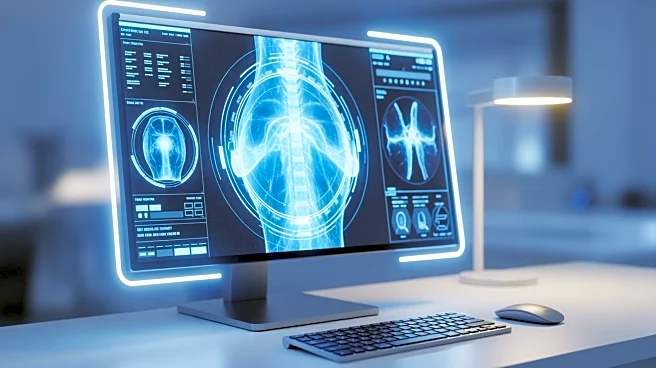
Radiology is becoming a key example of how artificial intelligence (AI) can enhance rather than replace jobs. Despite initial fears that AI would displace radiologists, the field is experiencing growth,
with the Bureau of Labor Statistics projecting a 5% increase in radiology jobs from 2024 to 2034. AI tools are being used to improve efficiency in radiology by speeding up processes like MRI scans and prioritizing urgent cases. These tools require FDA approval, and currently, 1,041 of the 1,357 AI-enabled medical devices approved by the FDA are for radiology. Experts emphasize that AI serves as a 'second set of eyes,' enhancing the work of human radiologists rather than replacing them.
Why It's Important?
The integration of AI in radiology demonstrates the potential for technology to complement human expertise, leading to more efficient and effective healthcare services. As AI tools assist with data analysis and image processing, radiologists can focus on more complex tasks, improving patient outcomes. This trend may serve as a model for other industries, showing how AI can create new opportunities and enhance existing roles. The continued growth in radiology jobs suggests that AI can drive demand for skilled professionals, countering fears of widespread job displacement.
Beyond the Headlines
The use of AI in radiology raises important considerations about bias and overreliance on technology. While AI can enhance efficiency, it is crucial to ensure that human oversight remains central to the diagnostic process. The potential for AI to introduce bias in medical diagnoses highlights the need for careful validation and monitoring of AI tools. As AI continues to evolve, the healthcare industry must balance technological advancements with ethical considerations to ensure equitable and accurate patient care.