






What's Happening?
A recent study conducted within the U.S. Military Health System (MHS) indicates a substantial decrease in the incidence rates of various allergy diagnoses following the onset of the COVID-19 pandemic. The study, which analyzed data from individuals aged
0-64 enrolled in the MHS, found that allergy diagnoses for all twelve conditions assessed were significantly lower during the first year of the pandemic (COVID-19 year 1) compared to the pre-pandemic year. For instance, the monthly incident rate for any new allergy diagnosis dropped from 750 per 100,000 people pre-pandemic to 438 per 100,000 in COVID-19 year 1. This reduction was statistically significant across all queried allergic diagnoses. Furthermore, during COVID-19 years 2 and 3, allergy diagnoses for most conditions, with the exceptions of anaphylaxis and food protein-induced enterocolitis syndrome (FPIES), remained lower than pre-pandemic levels. The study also noted that this decrease in allergy diagnoses was greater than the overall decrease in healthcare utilization during the same period, suggesting a true reduction in allergic disease incidence rather than just fewer diagnoses due to reduced medical visits.
Why It's Important?
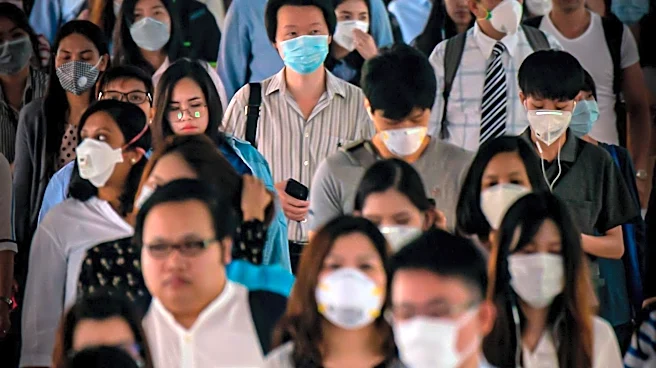
This finding is significant for public health understanding and future medical research in the United States. The observed decline in allergy diagnoses within a large, diverse, and universally insured population like the MHS suggests a potential shift in environmental or behavioral factors that influence allergic conditions. If these findings are replicated in other populations, it could lead to a re-evaluation of the 'hygiene hypothesis' and prompt further investigation into how changes in exposure to microorganisms and allergens, driven by pandemic-era behaviors such as social distancing, masking, and reduced circulation of common seasonal viruses, might impact immune system development and allergic disease prevalence. Understanding these mechanisms could inform new strategies for allergy prevention and management, potentially leading to public health interventions that reduce the burden of allergic diseases. The study's robust dataset from the MHS, which minimizes financial barriers to healthcare, strengthens the credibility of these observed trends, making them particularly relevant for broader U.S. healthcare policy discussions.
What's Next?
The study recommends additional retrospective studies in other populations with universal healthcare access to confirm these findings. If the observed declines in allergic disease rates are reproduced, future research will focus on identifying the specific behavioral or environmental factors altered by the COVID-19 pandemic that contributed to these changes. This could involve detailed analyses of changes in exposure to common seasonal viruses, indoor and outdoor allergens, and other environmental triggers. Such investigations could lead to the development of targeted public health recommendations or interventions aimed at modifying environmental exposures to potentially reduce the incidence of allergic diseases. Furthermore, the long-term implications of these shifts in immune responses post-pandemic will require continued monitoring, especially concerning the potential for new variants to evade existing immunity and the overall trajectory of allergic conditions in the population.
Beyond the Headlines
The implications of this study extend beyond immediate public health concerns, touching upon fundamental immunological understanding. The significant reduction in allergy diagnoses, particularly IgE-mediated conditions, challenges conventional thinking about immune system development and environmental interactions. It suggests that the drastic alterations in human behavior and pathogen exposure during the pandemic may have inadvertently created a 'natural experiment' revealing critical pathways in allergy development. This could lead to a deeper understanding of how early-life exposures shape immune responses and susceptibility to allergic diseases. Ethically, if specific pandemic-era behaviors are found to be protective against allergies, there could be discussions about integrating some of these practices into public health recommendations, balancing disease prevention with social and developmental needs. Legally, these findings might influence product safety regulations related to allergens or environmental standards, should specific environmental factors be identified as key contributors to the observed decline.