




What's Happening?
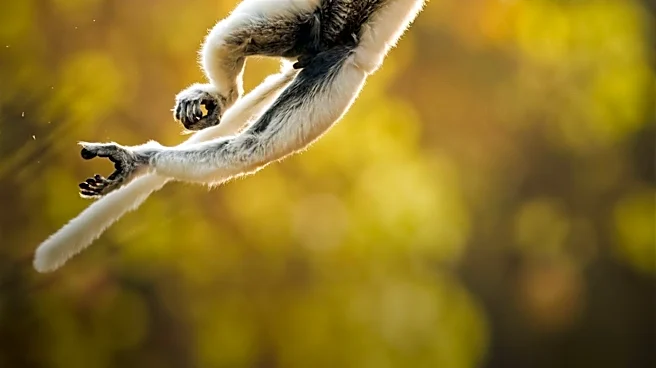
A recent study published in the Journal of Zoo and Wildlife Medicine has revealed that four lemurs died after contracting the human herpes simplex virus type 1 (HSV-1) following a yoga class exposure. Researchers at the University of Florida confirmed
these as the first molecularly verified cases of HSV-1 infecting lemurs. Despite receiving treatment, all infected lemurs succumbed to the virus. The transmission likely occurred during a public 'lemur yoga' session where humans came into close contact with the animals. The study highlights the risks of zoonotic disease transmission from humans to animals, particularly when biosecurity protocols are not strictly followed.
Why It's Important?
This incident underscores the potential dangers of human-animal interactions, especially in settings where animals are exposed to human pathogens. HSV-1, while generally a mild virus in humans, proved fatal for the lemurs, illustrating the severe impact human diseases can have on wildlife. This case raises concerns about the ethical and safety implications of using animals in public entertainment and educational settings without adequate protective measures. It also highlights the need for stringent biosecurity protocols to prevent cross-species disease transmission, which can have devastating effects on vulnerable animal populations.