



What's Happening?
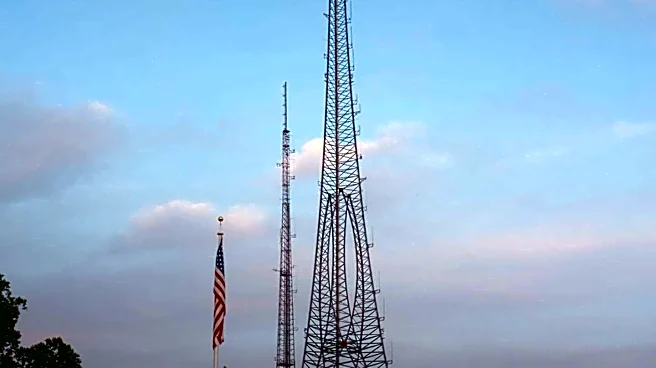
Roswell, New Mexico's National Oceanic and Atmospheric Administration (NOAA) Weather Radio transmitter, which has been out of service for approximately three years, is expected to be operational again within weeks. The transmitter failed after being relocated
to a Chaves County-area tower managed by multiple private entities, including a radio station. The outage has forced residents in Roswell and parts of Chaves County to rely on the Ruidoso NOAA Weather Radio for critical weather information. Roswell Emergency Manager Karen Sanders confirmed that skilled technicians from Albuquerque are anticipated to install the new transmitter, antenna, and associated equipment soon. The delay in restoration was attributed to the lengthy process of securing site agreements and acquiring necessary new equipment. The return of a localized NOAA weather broadcast is particularly welcomed as a wet winter is predicted.
Why It's Important?
The restoration of Roswell's NOAA Weather Radio transmitter is crucial for public safety and emergency preparedness in the region. NOAA Weather Radio provides continuous broadcasts of local weather forecasts, severe weather warnings, and other hazard information, serving as a vital communication channel, especially during emergencies when other forms of communication may be disrupted. The three-year absence of this localized service meant that residents had to tune into a broadcast from Ruidoso, which may not always provide the most precise or immediate information for Roswell and its immediate surroundings. A localized broadcast ensures that residents receive timely and accurate alerts tailored to their specific area, which can be critical for making informed decisions to protect lives and property, particularly with the forecast of a wet winter that could bring various weather-related hazards.
What's Next?
The immediate next step involves the arrival and work of skilled technicians from Albuquerque, who are tasked with installing the new transmitter, antenna, and related components. These technicians possess specialized skills, including the ability to climb transmission towers, which has been a factor in the delay. Once the installation is complete, the NOAA Weather Radio is expected to be back online within a matter of weeks. Following the restoration, information regarding the broadcast frequency and other details for accessing the local weather service will be made available to the public. The re-establishment of this service will significantly enhance Roswell's ability to disseminate critical weather and hazard information directly to its residents, improving overall community resilience.
Beyond the Headlines
The prolonged outage of Roswell's NOAA Weather Radio transmitter highlights broader challenges in maintaining critical public infrastructure, particularly when multiple private entities are involved in managing shared resources like transmission towers. The complexities of obtaining site agreements and coordinating specialized technical labor underscore potential vulnerabilities in emergency communication systems. This situation also brings to light the reliance of communities on specific, often overlooked, infrastructure for daily safety and preparedness. The incident could prompt a review of protocols for maintaining and restoring essential public services, especially in areas prone to severe weather, ensuring that bureaucratic hurdles do not unduly delay the provision of vital information to the public. It also emphasizes the importance of local, tailored weather information versus broader regional broadcasts for effective community response.