


What's Happening?
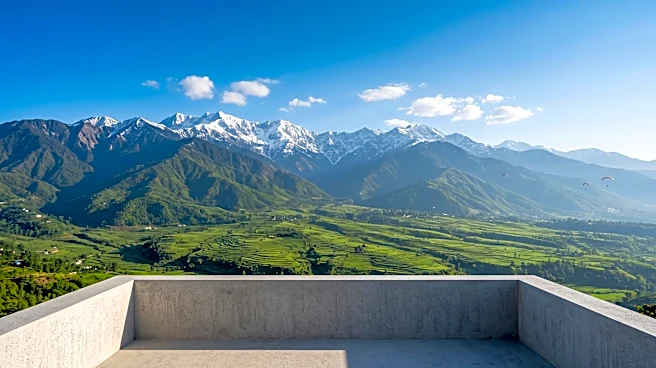
Bir Billing, historically known for paragliding, has evolved into a prominent hub for digital nomads. This transformation is attributed to the development of essential infrastructure, including a vibrant café culture with high-speed internet access at establishments
like Garden Café and Musafir Cafe. Additionally, co-living and co-working spaces such as Bir Nest and Barefoot Bir have emerged, offering dedicated work-friendly amenities like power backup, ergonomic desks, and multiple high-speed fiber connections. These facilities provide flexible monthly stays, making it practical and affordable for remote workers to reside for extended periods, with monthly living costs estimated between ₹20,000 and ₹40,000. The town's unique blend of Himalayan scenery, a tranquil atmosphere, and a slower pace of life, combined with its infrastructure, has attracted a new class of professionals seeking focus and a better work-life balance.
Why It's Important?
The emergence of Bir Billing as a digital nomad hub signifies a broader trend in the global remote work economy, which is valued at $787 billion. This shift provides a more stable, year-round income stream for the local economy, contrasting with the seasonal fluctuations of short-term tourism. It has fostered new entrepreneurial opportunities for local residents, who are now running homestays, cafes, and providing services tailored to the needs of these new residents. The influx of long-stay remote workers contributes to economic diversification and job creation, empowering local youth with new skills and employment opportunities. However, this growth also presents challenges, including the potential for rising living costs and the risk of cultural dilution as global lifestyles integrate into the local community. Maintaining a balance between economic development and preserving the town's unique cultural character is crucial.
What's Next?
The continued growth of Bir Billing as a digital nomad destination will likely lead to further infrastructure development and an expansion of services catering to remote workers. Local businesses and entrepreneurs may continue to innovate, offering more specialized amenities and experiences to attract and retain digital nomads. The local government and community leaders will need to address the potential challenges of rising living costs and cultural integration to ensure sustainable growth. This may involve implementing policies that support affordable housing, promote local cultural preservation, and manage the environmental impact of increased residency. The success of Bir Billing could also serve as a model for other regions looking to capitalize on the growing digital nomad movement, potentially leading to similar transformations in other scenic or culturally rich areas.
Beyond the Headlines
The transformation of Bir Billing highlights the evolving nature of work and lifestyle in the digital age, where geographical constraints are diminishing. It underscores the increasing demand for locations that offer a blend of professional functionality and quality of life, moving beyond traditional urban centers. The integration of a significant Tibetan refugee settlement and serene monasteries into the daily life of digital nomads creates a unique cultural and spiritual dimension, fostering a distinct work-life experience. This phenomenon also raises broader questions about the long-term socio-economic and cultural impacts of such movements on small, traditional communities. It prompts consideration of how these communities can adapt to new populations while preserving their unique identity and ensuring equitable benefits for all residents.