

What's Happening?
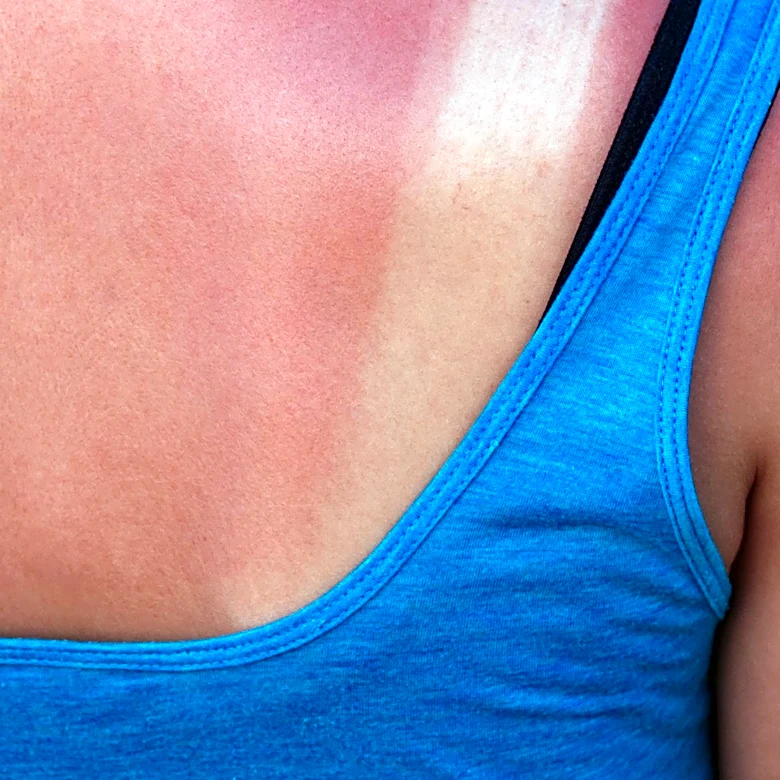
A severe heatwave is impacting the western United States, with record-breaking temperatures and increased wildfire risks, particularly in Oregon and Washington. The National Weather Service has forecasted temperatures ranging from 110°F to 120°F in the southwest,
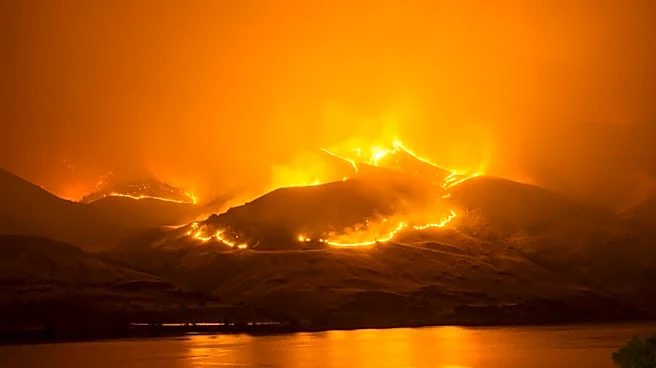
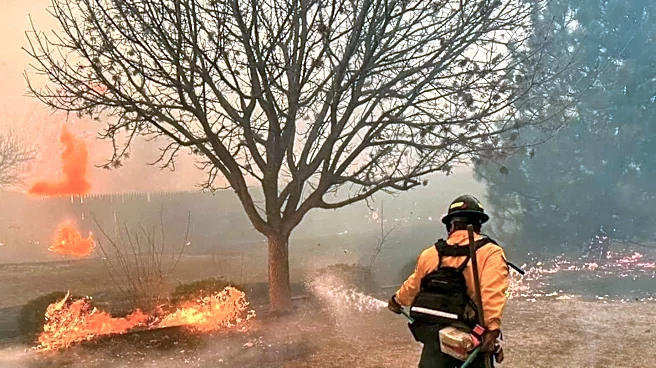
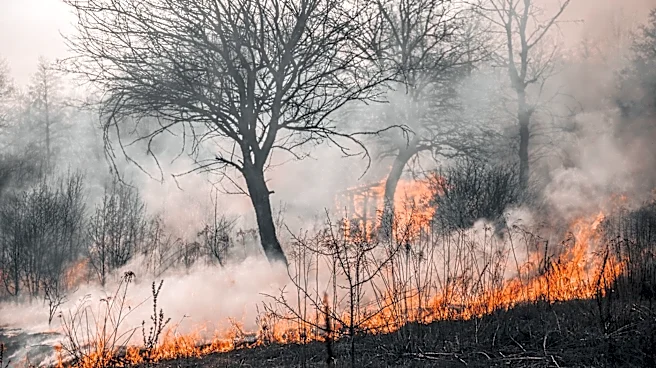
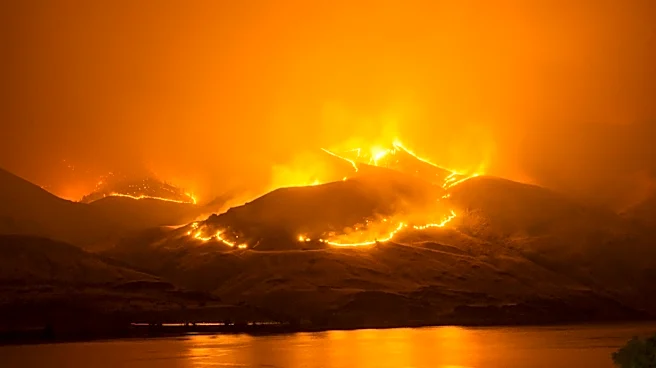
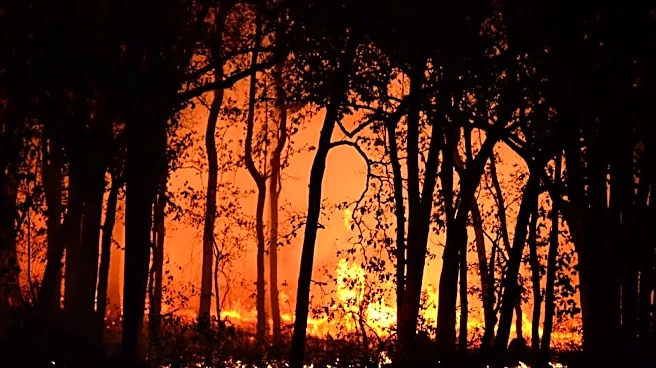
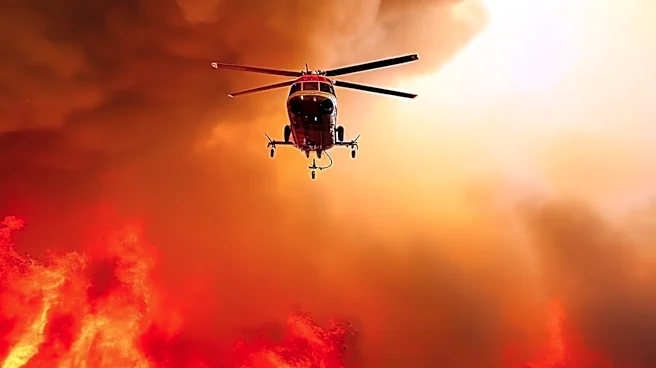
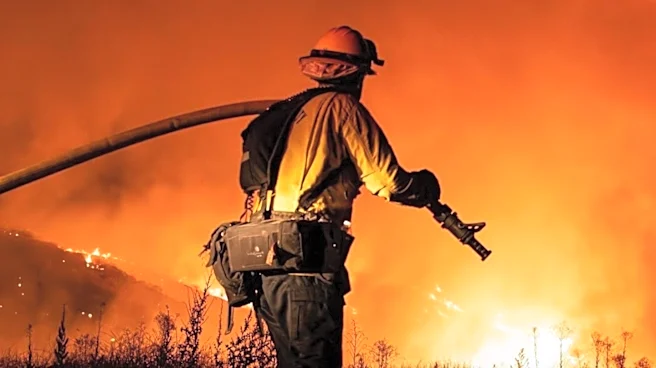
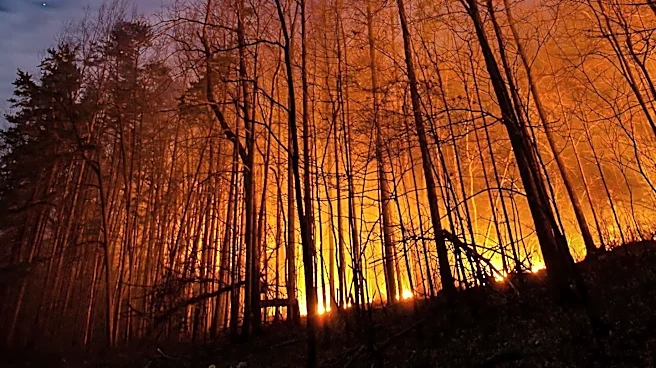
while the Pacific Northwest is expected to see highs in the 90s. The heatwave is attributed to a high-pressure system, or heat dome, stretching from Arizona to Montana. This extreme weather has exacerbated wildfire conditions, with Oregon and Washington experiencing significant fire activity. In Oregon, approximately 1.8 million acres have been burned, and Washington is dealing with over 1,000 fires affecting 425,000 acres. The drought conditions, combined with low humidity and strong winds, have led to a temporary ban on outdoor burning in Washington.
Why It's Important?
The heatwave poses significant challenges for the affected regions, impacting public safety, environmental conditions, and resource management. The elevated temperatures and dry conditions increase the likelihood of wildfires, which can lead to property damage, displacement of residents, and strain on firefighting resources. The situation underscores the vulnerability of these areas to climate-related events, highlighting the need for effective emergency response and long-term climate adaptation strategies. The economic impact is also considerable, as wildfires can disrupt local economies, affect tourism, and lead to increased insurance costs.
What's Next?
As the heatwave continues, authorities are likely to maintain or extend bans on outdoor burning and implement additional safety measures to protect residents and resources. Firefighting efforts will remain a priority, with potential for increased federal and state support. The situation may prompt discussions on climate resilience and the need for infrastructure improvements to better handle extreme weather events. Residents are advised to stay informed about weather updates and adhere to safety guidelines to minimize risks.