






What's Happening?
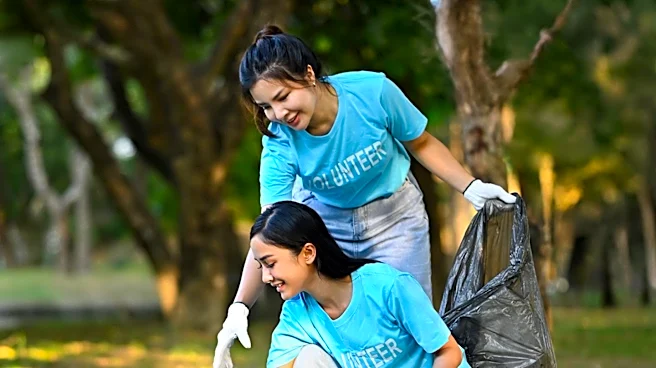
The Centre for Science and Environment (CSE), a New Delhi-based research and policy advocacy body, in collaboration with PLAN (Pupil Leaders Action Network), organized a major beach clean-up initiative in Kochi, India. Over 100 schoolchildren, teachers,
and staff from five leading Kochi schools participated in the event, named 'The Kochi Coastal Collective.' This initiative is part of CSE’s Marine Marshals sub-programme, which aims to raise awareness among school communities about marine litter and its management. Tushita Rawat, programme manager with CSE’s environment education team, highlighted that human-generated solid waste, particularly plastics, constitutes 87 to 91 percent of marine litter, clogging oceans and harming marine life. Ernakulam district collector Priyanka G inaugurated the event, emphasizing conscious consumerism, re-loving items, and integrating sustainability into professional choices. After collecting litter, students sorted and audited the waste to understand its composition, revealing common types of coastal waste.
Why It's Important?
This initiative is important as it directly addresses the pervasive issue of marine plastic pollution, which has significant global environmental and economic impacts. By engaging schoolchildren, the program fosters environmental stewardship from a young age, potentially leading to long-term behavioral changes in communities. The focus on understanding waste composition, rather than just removal, provides valuable data for policy advocacy and targeted interventions. While the event took place in India, the problem of marine litter, predominantly plastics, is a trans-boundary issue affecting coastlines worldwide, including the U.S. The educational model employed by CSE could serve as a blueprint for similar community-led environmental programs in coastal U.S. regions, promoting local action against a global crisis. The involvement of local government officials underscores the potential for public-private partnerships in environmental conservation efforts.
What's Next?
The Marine Marshals sub-programme, an initiative of CSE’s Green Schools Programme, is specifically designed for schools in coastal India, with Kochi being the first coastal city where CSE is partnering with local organizations for such an event. The program aims to continue building awareness and engagement among students, teachers, and communities regarding marine litter and its management. CSE Director General Sunita Narain noted that India, with its extensive coastline, has a crucial role in controlling marine pollution. The exercise in Kochi was designed to be more than a one-off clean-up, with the sorting and auditing of waste providing insights into marine litter composition. Future efforts will likely involve expanding this educational model to other coastal areas and continuing to advocate for policies based on the data collected from such initiatives.
Beyond the Headlines
The initiative highlights the critical role of education and community involvement in tackling environmental challenges. By empowering students to become 'environmental stewards,' the program aims to create a ripple effect, influencing families, schools, and broader communities. This approach underscores the idea that effective environmental solutions often begin at the grassroots level, complementing larger policy efforts. The emphasis on 'conscious consumerism' and 're-loving items' points to a broader cultural shift needed to reduce waste generation at its source, moving beyond mere clean-up operations. The program also implicitly addresses the ethical responsibility of current generations to protect marine ecosystems for future generations, fostering a sense of global citizenship in young participants. The data gathered from waste audits can inform scientific research and contribute to a more comprehensive understanding of plastic pollution patterns.