






What's Happening?
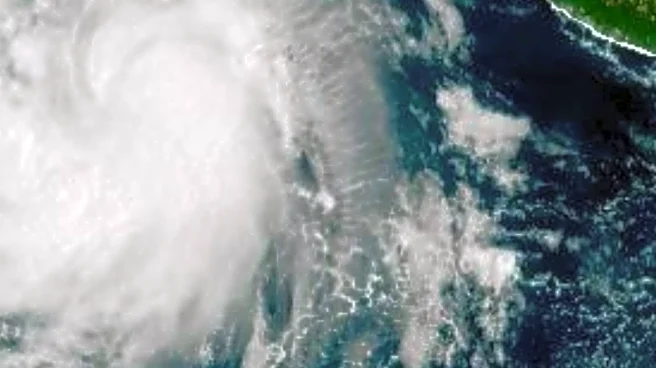
Scientists are expressing concern over a potential die-off of seabirds along the California coast due to the effects of a marine heat wave and the onset of El Niño. The warming of the central Pacific Ocean is altering weather patterns and increasing global
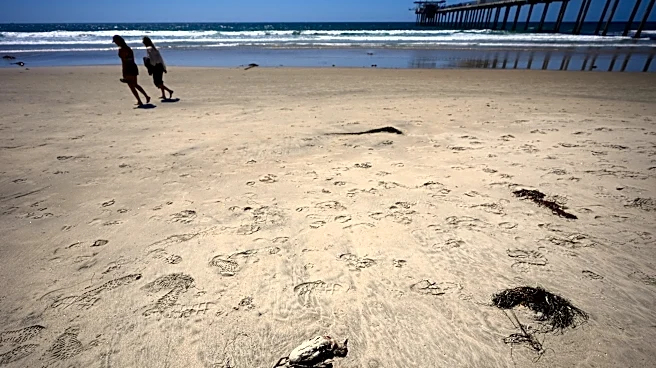
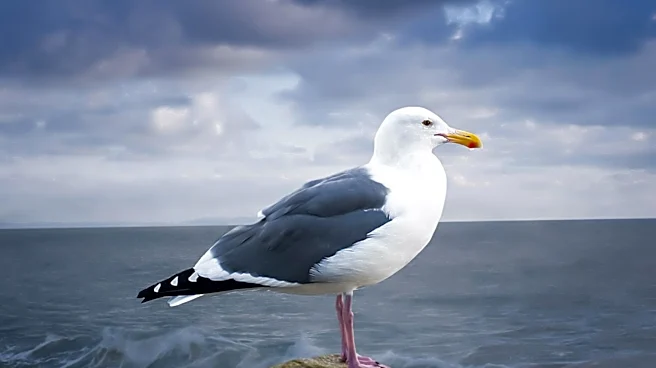
temperatures, which could exacerbate the current situation. Many seabirds, including brown pelicans and cormorants, have been found dead or emaciated, likely due to a lack of food caused by the warm ocean temperatures. The National Oceanic and Atmospheric Administration has confirmed the formation of El Niño, which is expected to grow in strength, potentially leading to further disruptions in marine ecosystems.
Why It's Important?
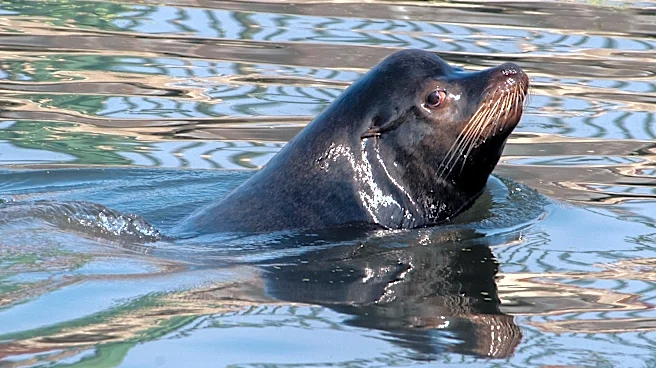
The potential die-off of seabirds is a significant environmental concern, as it indicates broader ecological disruptions caused by climate change and ocean warming. These events can have cascading effects on marine food webs, impacting not only seabirds but also other marine species such as fish and whales. The situation highlights the urgent need for climate action and conservation efforts to mitigate the impacts of climate change on vulnerable ecosystems. The scientific community and environmental organizations are closely monitoring the situation to better understand and address these challenges.
What's Next?
As El Niño develops, scientists will continue to monitor its impact on marine life and coastal ecosystems. Efforts to rehabilitate affected seabirds are ongoing, with wildlife organizations working to treat and release emaciated birds. Researchers will also study the long-term effects of these environmental changes to inform conservation strategies. Policymakers may face increased pressure to implement measures that address climate change and protect marine biodiversity. Public awareness campaigns could also play a role in highlighting the importance of preserving ocean health.