






What's Happening?
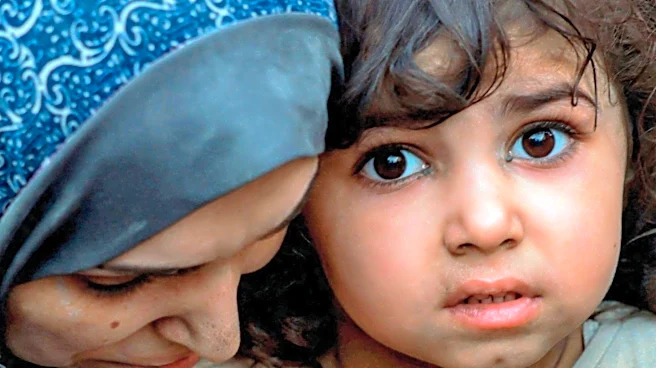
CARE Nederland has issued a stark warning regarding the disproportionate impact of global cuts to humanitarian aid and development programs on women and girls in Afghanistan. According to Inge Kauer, director of CARE Nederland, these vulnerable populations
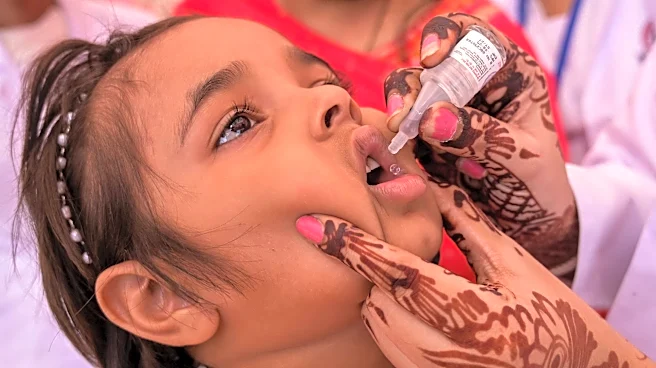
are the first to lose access to essential services such as healthcare, income opportunities, protection, and education when aid programs are reduced. Kauer recently visited Afghanistan, observing several aid projects, including a clinic treating severely malnourished children and an education initiative for girls in remote areas, that are at risk of closure due to funding shortages. She highlighted the case of a seven-month-old girl weighing only three kilograms who showed improvement after treatment, and a nine-year-old girl aspiring to be a doctor or teacher whose education is now jeopardized. The organization emphasizes that these cuts not only threaten immediate humanitarian needs but also the long-term development of the country, potentially weakening economic prospects and increasing community disadvantage. Similar challenges are noted in other regions like the Gaza Strip, Sudan, Myanmar, and Yemen.
Why It's Important?
The reduction in global aid to Afghanistan carries significant implications for international humanitarian efforts and the stability of vulnerable populations. For the U.S. and other international donors, these warnings underscore the critical need for sustained and reliable funding to prevent further deterioration of humanitarian conditions. The withdrawal or reduction of aid can lead to increased instability, potential refugee crises, and a reversal of progress in human rights, particularly for women and girls. The long-term consequences include a generation of uneducated individuals, hindering future economic development and perpetuating cycles of poverty and dependence. This situation also challenges the effectiveness of past aid investments, as gains made in healthcare and education are now at risk. The emphasis on supporting women-led organizations highlights the importance of empowering local communities to drive their own recovery and resilience, a strategy that could be undermined by funding shortfalls. The broader impact extends to global security, as regions facing severe humanitarian crises can become breeding grounds for extremism and instability.
What's Next?
The immediate next steps involve urgent calls for increased international support and engagement to address the funding gaps. Humanitarian organizations like CARE Nederland will likely continue to advocate for long-term and reliable funding, particularly for initiatives focused on women and girls. Donors and international bodies will need to reassess their aid priorities and potentially allocate more resources to Afghanistan to prevent a deeper humanitarian catastrophe. There may be increased pressure on governments to review their foreign aid policies and consider the strategic implications of reduced assistance in fragile states. Efforts will also focus on supporting the resilience of Afghan women who continue to work under difficult conditions, such as midwives and female care staff, ensuring their efforts are sustainable. The situation could also lead to renewed discussions within international forums about the responsibility of the global community to protect vulnerable populations in conflict-affected regions.
Beyond the Headlines
Beyond the immediate humanitarian crisis, the aid cuts in Afghanistan expose deeper ethical and geopolitical considerations. The withdrawal of support risks abandoning a population that has endured decades of conflict and instability, particularly after the Taliban's return to power. This raises questions about the moral obligation of the international community to protect human rights and foster development, even in challenging political environments. The long-term implications include the potential for a lost generation of women and girls, whose exclusion from education and economic life could entrench gender inequality for decades. This also highlights the complex interplay between humanitarian aid, political stability, and the empowerment of marginalized groups. The situation in Afghanistan serves as a critical case study for understanding the ripple effects of aid decisions on societal structures, cultural norms, and the potential for future conflict or radicalization. The emphasis on women-led organizations also points to the critical role of local agency and self-determination in sustainable development, which is often overlooked in top-down aid models.