


What's Happening?
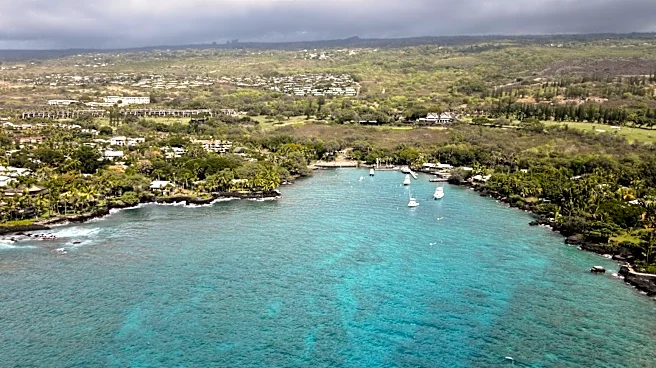
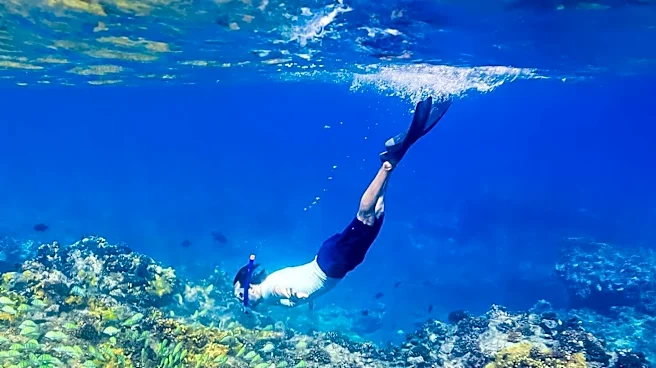
A 62-year-old man passed away after becoming unresponsive during a snorkeling excursion off the coast of Ko’Olina, Hawaii, on Wednesday afternoon. The incident occurred around 1:20 p.m., according to a report from the Honolulu Police Department (HPD).
Following the event, the man was transported to a local hospital where he was later pronounced deceased. Authorities have investigated the circumstances surrounding the death and have confirmed that there were no indications of foul play involved. Further details regarding the incident have not yet been released to the public. The HPD continues to monitor the situation, and updates are expected as more information becomes available.
Why It's Important?
This incident underscores the inherent risks associated with water-based recreational activities, even in seemingly calm environments. For the local tourism industry in Hawaii, particularly in popular snorkeling destinations like Ko’Olina, such events can prompt a review of safety protocols and emergency response measures. While no foul play was indicated, any fatality can lead to increased scrutiny from visitors and residents alike regarding water safety. It also serves as a somber reminder for individuals engaging in snorkeling or other aquatic sports to be aware of their physical condition and surroundings. The absence of further details at this time means the specific cause of unresponsiveness is unknown, but it highlights the importance of preparedness and immediate medical attention in such situations.
What's Next?
As the Honolulu Police Department has stated that no foul play was involved, the immediate next steps will likely involve the medical examiner's office determining the official cause of death. This process typically includes an autopsy and toxicology reports, which can take several weeks to complete. Depending on the findings, there may be recommendations for increased public awareness regarding snorkeling safety, particularly for older individuals or those with pre-existing health conditions. Local authorities and tourism operators might review existing safety guidelines and emergency response procedures to ensure they are robust and effective. The community will likely await further information from official sources regarding the circumstances of this tragic event.
Beyond the Headlines
Beyond the immediate tragedy, this event subtly highlights the broader considerations of public safety in popular tourist destinations. While the focus is on the individual incident, it can prompt discussions about the responsibilities of tour operators, the accessibility of emergency services in remote or popular recreational areas, and the general awareness among tourists about potential risks. The incident also touches upon the delicate balance between promoting tourism and ensuring the safety of both visitors and residents engaging in recreational activities. It may lead to a quiet re-evaluation of how health and safety information is disseminated to the public, especially for activities that are perceived as low-risk but can carry unforeseen dangers.