








What's Happening?
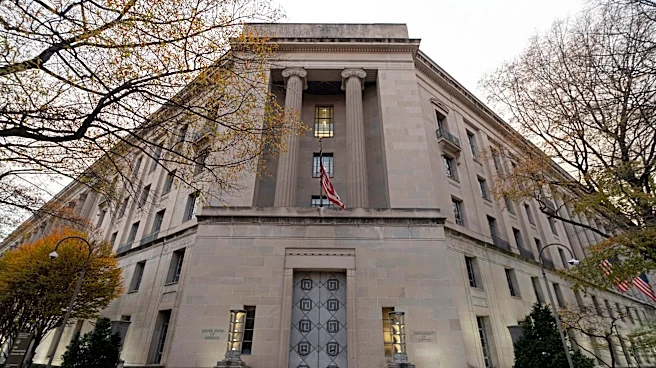
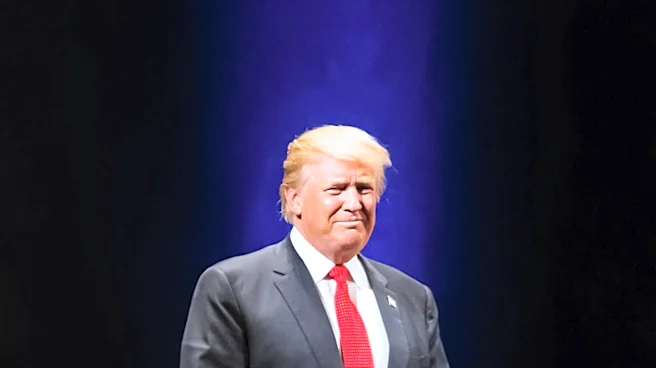
The US government has filed a lawsuit against Maryland over its policy of providing in-state tuition benefits to noncitizen migrants. The lawsuit, filed by the Trump administration, argues that Maryland's policy violates federal law, which prohibits undocumented
individuals from receiving postsecondary education benefits if such benefits are denied to citizens from other states. The complaint, filed in the US District Court for the District of Maryland, claims that Maryland's policy has allowed undocumented individuals to save nearly $9 million in tuition costs. This lawsuit is part of a broader effort by the federal government to challenge similar policies in other states.
Why It's Important?
The lawsuit against Maryland highlights ongoing tensions between state and federal policies regarding immigration and education. The outcome of this case could have significant implications for states that offer in-state tuition benefits to noncitizens, potentially affecting thousands of students. If the federal government succeeds, it may lead to the rollback of similar policies in other states, impacting access to affordable education for noncitizen students. This legal battle also underscores the broader debate over immigration policy and states' rights to implement policies that reflect their values and priorities.
What's Next?
The case will proceed in the US District Court for the District of Maryland, where both parties will present their arguments. Maryland Attorney General Anthony Brown has expressed opposition to the lawsuit, emphasizing the importance of educational opportunities for students who have grown up and studied in the state. The legal proceedings may take several months, and the outcome could set a precedent for other states with similar policies. Stakeholders, including educational institutions and immigrant advocacy groups, will likely monitor the case closely and may engage in advocacy efforts to support or oppose the policy.