





What's Happening?
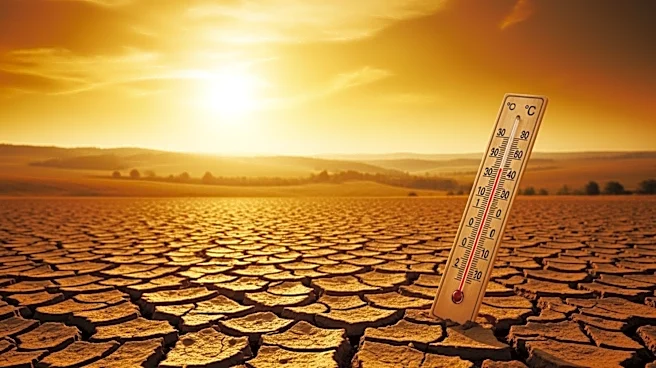
Emergency room visits for tick bites in the U.S. have reached their highest level in nearly a decade, according to the Centers for Disease Control and Prevention (CDC). The increase is attributed to climate change, which has led to shorter winters and hotter
summers, extending the tick season. Dr. Christopher Bazzoli from the Cleveland Clinic notes that ticks become active at temperatures above 45 degrees Fahrenheit, and warmer weather could prolong their activity into the fall. The Northeast currently reports the most ER visits for tick bites, followed by other regions. The CDC has also revised its criteria for confirming Lyme disease cases, contributing to a rise in reported numbers. Preventative measures include avoiding areas with high grass and using insect repellents.
Why It's Important?
The rise in tick-borne diseases poses significant public health challenges, as these diseases can lead to serious health issues if not promptly treated. The increase in tick activity due to climate change highlights the broader impact of environmental changes on public health. This situation underscores the need for public awareness and preventive measures to mitigate the risks associated with tick bites. The healthcare system may face increased pressure due to the higher number of cases, necessitating more resources for diagnosis and treatment. Additionally, the economic impact could be substantial, with increased healthcare costs and potential loss of productivity due to illness.
What's Next?
As the tick season progresses, healthcare providers and public health officials will need to monitor the situation closely. Public health campaigns may be intensified to educate the public on preventive measures and early symptoms of tick-borne diseases. Research into climate change's impact on vector-borne diseases could be prioritized to develop long-term strategies for managing these health risks. Policymakers might also consider environmental policies aimed at mitigating climate change to reduce its impact on public health.