
What's Happening?
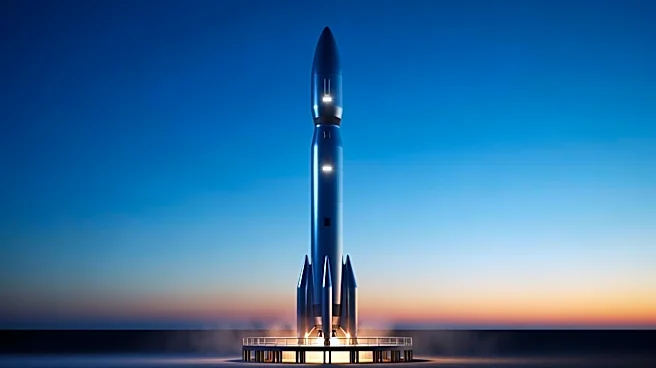
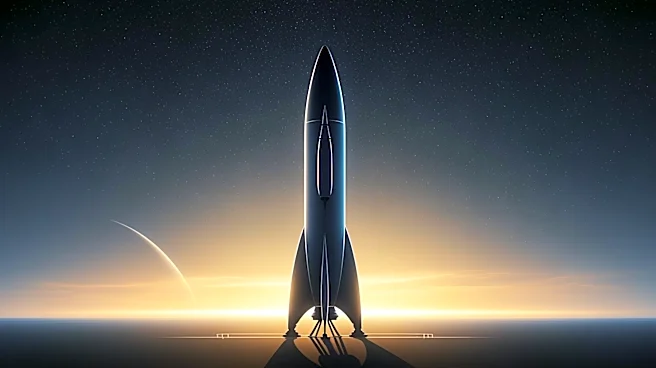
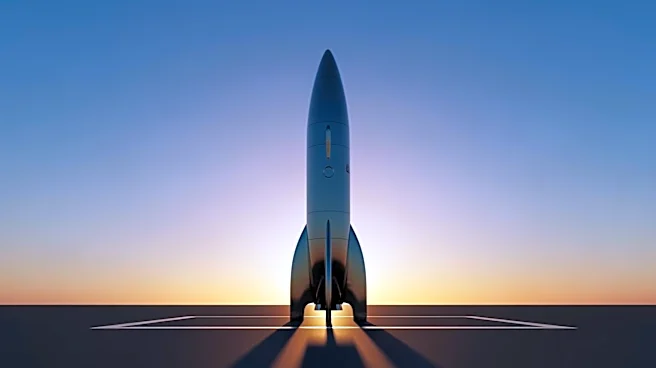
SpaceX is preparing to launch its latest version of the Starship, known as Starship V3, which is set to become the tallest and most powerful rocket in history. Scheduled for launch on May 19, 2026, from
SpaceX's Starbase in Texas, this version of the Starship features extensive upgrades, including new Raptor 3 engines and a redesigned launch pad. The mission is critical for NASA's Artemis program, as the Starship is one of the commercial landers selected to return humans to the Moon. The launch will test the new design's capabilities, including its in-orbit refueling system, which is vital for future lunar and Mars missions.
Why It's Important?
The launch of Starship V3 is a pivotal moment for SpaceX and the broader space exploration community. As the most powerful rocket ever built, its success could significantly advance human space exploration capabilities. The ability to refuel in orbit is a game-changer, enabling longer and more complex missions beyond Earth's orbit. This technology is crucial for NASA's Artemis program, which aims to establish a sustainable human presence on the Moon and eventually send humans to Mars. The success of this launch could accelerate timelines and reduce costs for future space missions.
What's Next?
If the launch is successful, SpaceX will continue to refine the Starship design and conduct additional tests to ensure its reliability for crewed missions. The outcome will also impact NASA's Artemis program, as the agency plans to use the Starship for lunar landings. SpaceX's iterative approach to development, characterized by rapid testing and learning from failures, will likely continue as the company works towards its goal of making space travel more accessible and sustainable.