




What's Happening?
In Southwest Berkeley, a long-neglected stretch of land, once part of the Santa Fe Railroad, is being transformed into a community park. This development marks the culmination of decades of advocacy by local activists, environmentalists, and community groups.
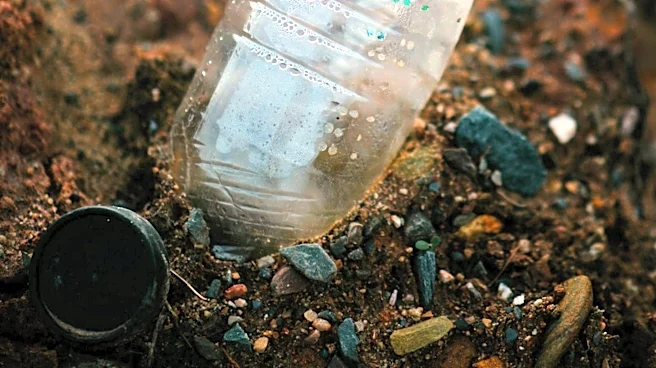
The land, previously contaminated with heavy metals like arsenic, is undergoing a $9 million remediation project to remove toxic soil. The project, expected to be completed by next summer, will convert the area into community gardens, a playground, and a dog park. The initiative has been supported by a $5 million state grant from Proposition 68, with additional funding from local measures. The effort has been a significant community endeavor, involving input from hundreds of residents and various local organizations.
Why It's Important?
The transformation of the former rail line into a park is a significant victory for the Berkeley community, particularly for those advocating for increased green spaces in urban areas. This project addresses long-standing environmental and social justice issues, providing much-needed recreational and green space in a historically underserved area. The park will offer health-supporting resources and serve as a symbol of collective community effort towards a more equitable future. It highlights the importance of community activism in urban planning and environmental remediation, setting a precedent for similar projects in other cities.
What's Next?
As the remediation work is expected to conclude by the end of September, construction of the park and gardens will begin in late fall. The city is yet to decide on a management structure for the new park, but community involvement will likely continue to play a crucial role. The project is expected to foster community engagement and provide a model for future urban green space developments. Stakeholders will need to ensure the park's sustainability and accessibility, maintaining the momentum of community-driven initiatives.
Beyond the Headlines
This project not only revitalizes a neglected urban area but also addresses broader issues of environmental justice and community health. By transforming contaminated land into a vibrant green space, the initiative demonstrates the potential for urban renewal projects to improve public health and community well-being. It also underscores the role of grassroots activism in driving policy changes and securing funding for public projects. The park's development could inspire similar efforts in other cities, promoting the integration of green spaces into urban environments as a means to enhance quality of life.