





What's Happening?
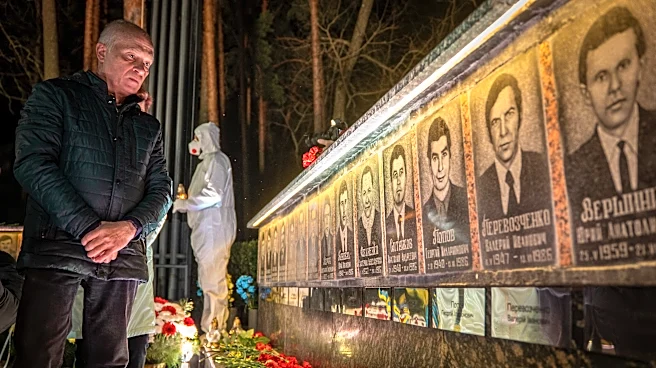
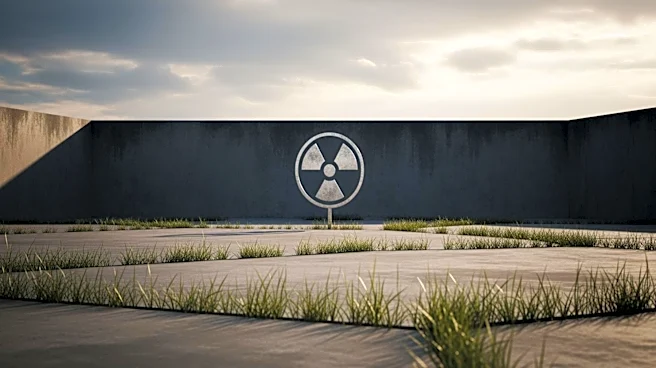
The Chernobyl exclusion zone, once the site of a catastrophic nuclear disaster, is now witnessing new rounds of displacement due to the ongoing conflict between Ukraine and Russia. The area, which was evacuated following the 1986 nuclear meltdown, has
become a refuge for those fleeing the war. Individuals like Nadiia Mudryk-Mochalova, who fled the Luhansk region, have found themselves in Chernobyl, working in roles related to managing the zone's radioactive legacy. The Russian invasion has exacerbated the challenges faced by those living and working in the area, with infrastructure damage and the threat of further military action looming large.
Why It's Important?
The situation in Chernobyl highlights the intersection of historical and contemporary crises, as the legacy of the nuclear disaster is compounded by the current conflict. The displacement of people due to war adds a new layer of complexity to the region's challenges, as it struggles to manage both its radioactive past and its present security concerns. This development underscores the broader humanitarian impact of the conflict, as individuals are forced to navigate the dual threats of radiation and military aggression. The ongoing situation in Chernobyl serves as a stark reminder of the long-term consequences of nuclear disasters and the enduring impact of geopolitical tensions.
What's Next?
As the conflict between Ukraine and Russia continues, the Chernobyl exclusion zone is likely to remain a focal point for both humanitarian and security efforts. The international community may increase its support for Ukraine in managing the dual challenges of radiation and military threats. There may also be calls for enhanced safety protocols to protect those living and working in the zone. Additionally, the situation could prompt renewed discussions about the long-term management of Chernobyl's radioactive legacy and its role in Ukraine's national security strategy. The ongoing conflict may also lead to further displacement and humanitarian needs in the region.