



What's Happening?
Bolivia, a South American country, is home to some of the highest cities in the world, such as La Paz and El Alto, which are situated at altitudes exceeding 3,600 meters. This extreme altitude presents significant challenges in health, agriculture, and infrastructure.
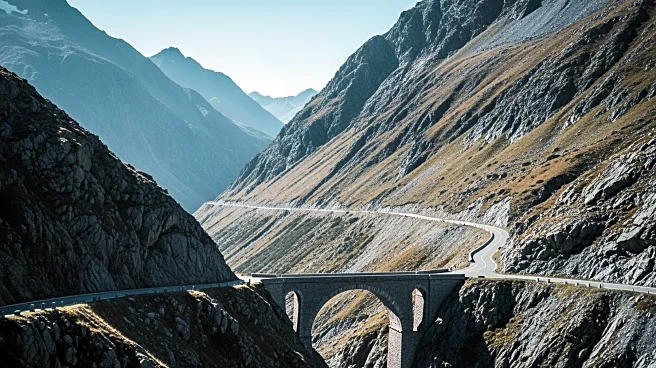
The thin air at these altitudes results in lower oxygen levels, affecting the health of residents and visitors alike, with common issues including respiratory and cardiovascular problems. The agricultural sector is constrained by the cold climate and shallow soil, limiting crop variety to traditional products like potatoes and quinoa. Infrastructure development is also hindered by the rugged terrain, leading to higher costs and logistical challenges.
Why It's Important?
The high altitude of Bolivia's major cities has profound implications for the country's economic development and public health. The increased costs associated with healthcare and infrastructure due to the altitude place a financial burden on the government and residents. Additionally, the limitations on agriculture affect food security and economic stability. However, the unique geography also offers opportunities in sectors like mining and tourism, which can help offset some of the economic challenges. Understanding these dynamics is crucial for policymakers and investors looking to engage with Bolivia's economy.
What's Next?
Bolivia will need to continue adapting its public policies and infrastructure to address the challenges posed by its high altitude. This includes investing in healthcare systems tailored to high-altitude conditions and developing infrastructure that can withstand the harsh environmental conditions. The government may also explore ways to enhance agricultural productivity through technological innovations and partnerships. Additionally, leveraging the tourism potential of its unique landscapes could provide a significant economic boost.
Beyond the Headlines
The situation in Bolivia highlights the broader issue of how geography can shape the development and policies of a nation. The adaptation of societies to extreme environmental conditions is a testament to human resilience, but it also underscores the need for sustainable development practices that consider environmental limitations. Bolivia's experience could serve as a model for other high-altitude regions facing similar challenges.