








What's Happening?
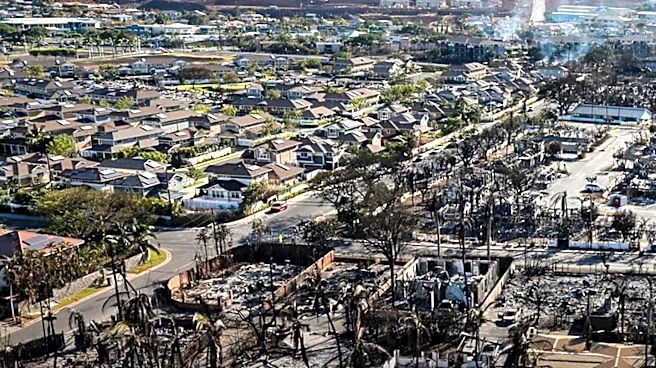
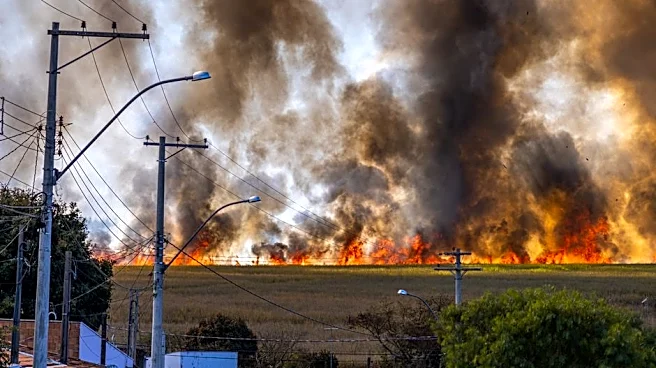
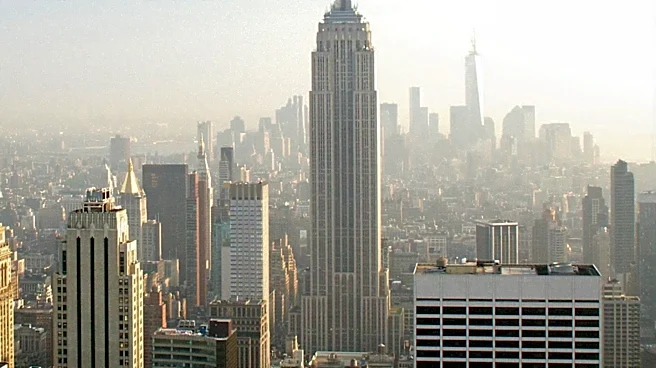
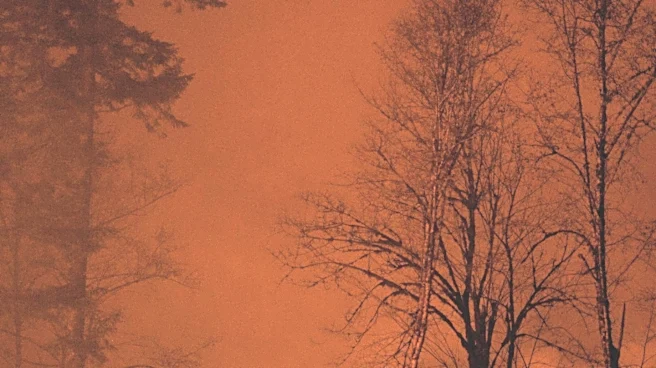
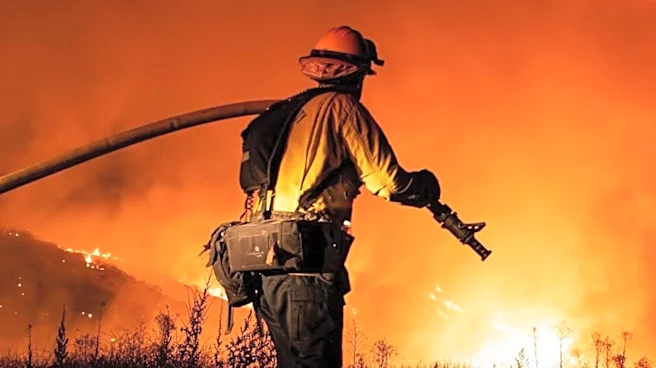
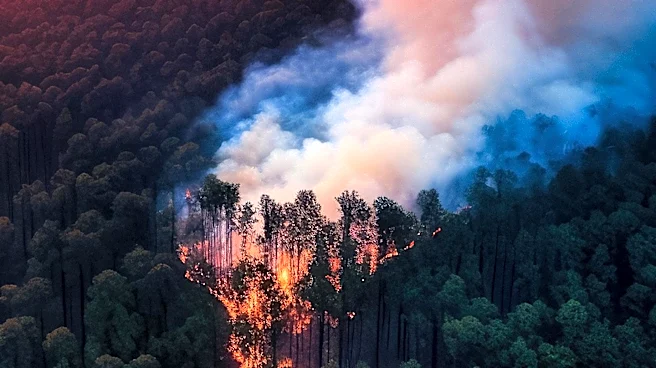
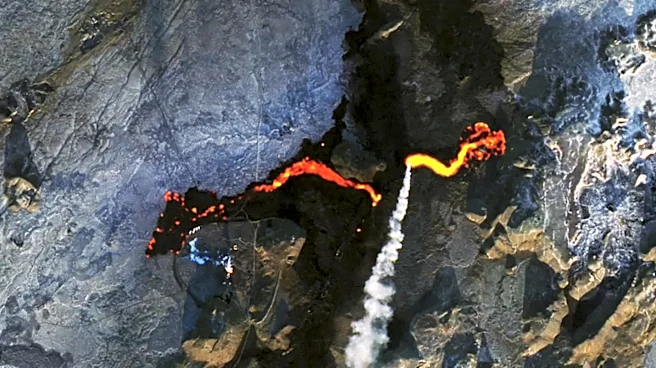
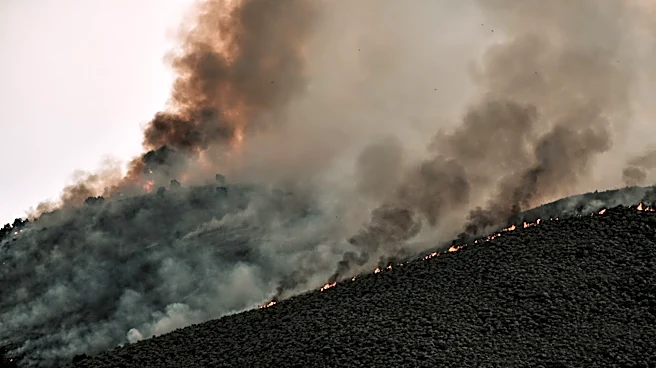
Recent years have seen an increase in the frequency and intensity of wildfires in Canada, largely attributed to rising global temperatures. These fires, particularly prevalent in northern Canada, have resulted in significant smoke coverage across North
America, affecting air quality in major U.S. cities such as New York, Washington, Detroit, and Chicago. The area burned by these fires has exceeded the 10-year average, with the size and intensity of the fires growing due to drier forests and increased lightning strikes. Experts like Mike Flannigan from Thompson Rivers University and Andrew Dessler from Texas A&M College of Arts and Sciences highlight that climate change is a major factor in these developments.
Why It's Important?
The intensification of wildfires in Canada has significant implications for both environmental and public health in North America. The smoke from these fires has led to some of the worst air quality levels in major U.S. cities, posing health risks such as respiratory issues. The situation underscores the broader impact of climate change on natural disasters and the need for effective management and mitigation strategies. The economic burden is also notable, with increased government spending on firefighting efforts and potential impacts on tourism and local economies.
What's Next?
In response to the growing wildfire crisis, Canadian authorities are considering the establishment of a federal agency dedicated to wildfire management, as recommended by a recent Senate report. This would involve creating a federal coordinating office and funding a national fleet of modern firefighting aircraft. Additionally, there is an ongoing effort to enhance provincial and territorial firefighting capacities, including the leasing of new firefighting aircraft. These measures aim to improve preparedness and response to future wildfires, potentially reducing their impact on communities and the environment.