





What's Happening?
A recent review details a traveler's experience in Amtrak Acela First Class on a journey from Boston to New York. The passenger initially booked a Business Class ticket for $75 and subsequently upgraded to First Class using 2,500 Amtrak points, which
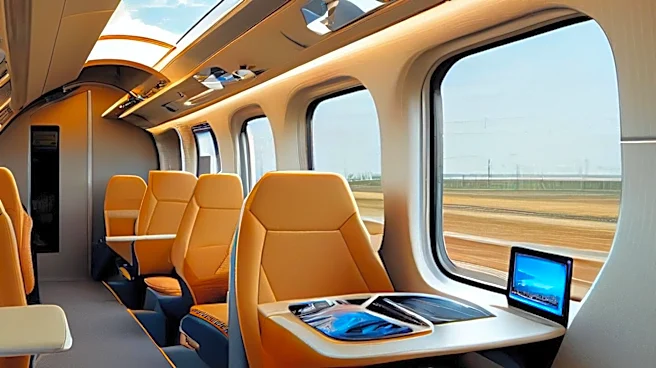
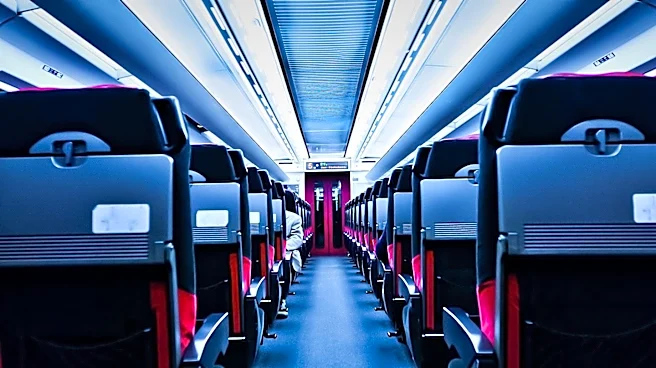
cost $95 to purchase. The upgrade was secured approximately 10 hours before departure via the Amtrak app. The First Class seating in Car 1 featured a 1-2 configuration, with many seats arranged around tables, which the reviewer found less ideal for solo travelers. Amenities included working power outlets and stable Wi-Fi throughout the 3-hour and 51-minute trip. Meal service commenced after the train departed Providence, offering options such as chilled lemon herb salmon and eggplant parmesan, accompanied by premium drinks. Passengers also had access to the Amtrak Metropolitan Lounge at Boston South Station and received hot towel service before an early arrival at Penn Station. The reviewer noted that while the experience offered certain comforts, the value of the upgrade might be more pronounced on the newer generation Acela trains.
Why It's Important?
This review provides valuable insights for U.S. business and leisure travelers considering premium rail services, particularly on the heavily trafficked Northeast Corridor. The detailed account of the upgrade process, including the cost in points and money, highlights the potential for strategic point redemption to enhance travel experiences. For Amtrak, such feedback is crucial for understanding passenger perceptions of its premium offerings and identifying areas for improvement, especially concerning seating configurations and the value proposition of First Class on older train sets versus the newer models. The mention of stable Wi-Fi and power outlets underscores the importance of these features for business travelers who rely on connectivity during their journeys. The comparison of the upgrade cost to the original fare also prompts travelers to evaluate whether the added amenities justify the expense, influencing future booking decisions and potentially impacting Amtrak's revenue from premium services.
What's Next?
Amtrak will likely continue to monitor passenger feedback on its Acela First Class service, especially as the newer generation Acela trains become more widely deployed. The insights regarding seating arrangements, meal quality, and the overall value of the upgrade could inform future service enhancements or adjustments to pricing and point redemption structures. Travelers may see continued fluctuations in ticket prices and upgrade availability, necessitating proactive booking and point management. The ongoing Northeast Corridor Gateway Program, which aims to improve rail infrastructure, could eventually lead to faster and more reliable journeys, potentially increasing the appeal of Acela services. As new Acela trains are introduced, Amtrak may also refine its First Class offerings to better align with passenger expectations for modern high-speed rail travel, potentially addressing issues like outdated restrooms and optimizing seating for various traveler types.
Beyond the Headlines
The review subtly touches upon the evolving landscape of U.S. rail travel, particularly the balance between cost, comfort, and efficiency. The Acela's role as a premium alternative to air and road travel on the Northeast Corridor is significant, offering a more sustainable and often less stressful option. The discussion of point redemption and upgrade strategies reflects a broader trend in the travel industry where loyalty programs play a crucial role in customer retention and perceived value. Furthermore, the mention of the older train sets versus the 'Next Gen Acela trains' highlights the ongoing investment and modernization efforts within Amtrak. This continuous upgrade cycle is vital for maintaining competitiveness with other modes of transport and meeting the demands of a discerning customer base that expects modern amenities and high-speed capabilities. The experience also underscores the challenges of providing a consistent premium experience across a fleet that includes both older and newer equipment.