






What's Happening?
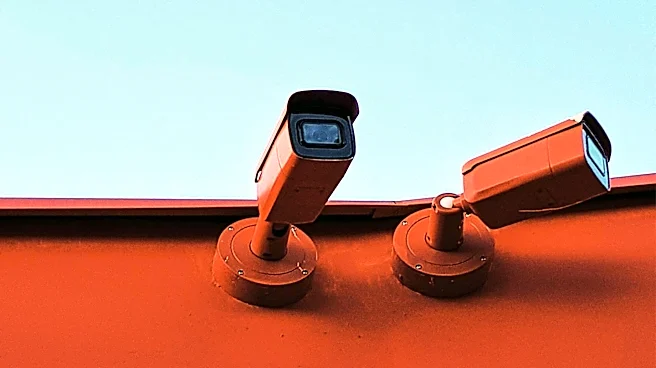
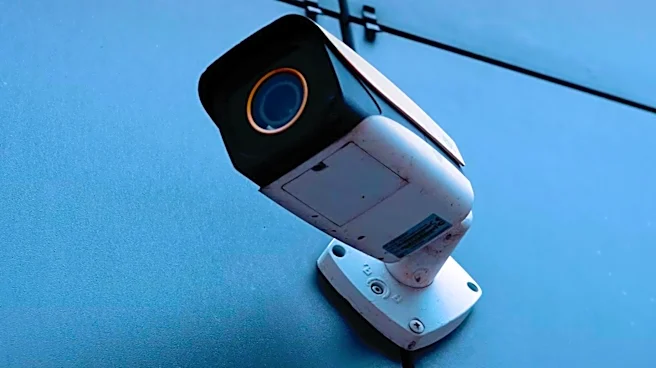
In Fairfield, Connecticut, the implementation of Automated Traffic Enforcement Safety Devices (ATESDs) has sparked significant public debate. These devices, installed near six schools, have been issuing fines to drivers exceeding speed limits, generating
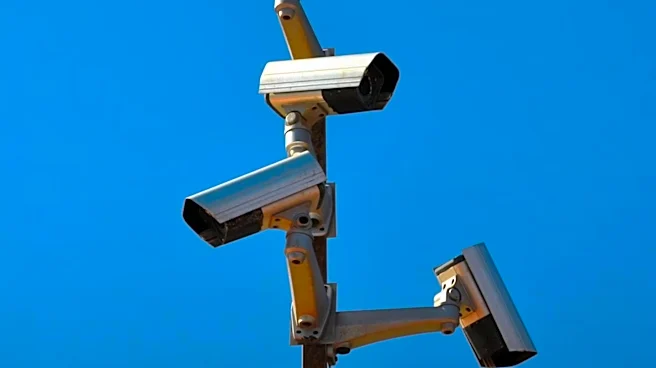
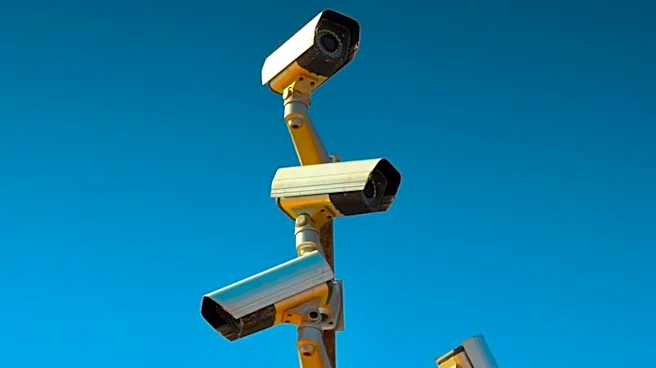
$1.1 million in revenue in their first month. The cameras, part of the Vision Zero program aimed at eliminating traffic fatalities, have reportedly reduced speeding by 83% in monitored zones. However, the use of such surveillance technology has raised privacy concerns among residents. Critics argue that the cameras, which operate 24/7, represent an overreach of surveillance capabilities, echoing broader national concerns about Automated License Plate Readers (ALPRs) used by law enforcement. These systems, capable of capturing detailed vehicle data, have been criticized by organizations like the ACLU for potential privacy violations.
Why It's Important?
The deployment of ATESDs and ALPRs highlights a growing tension between public safety initiatives and privacy rights. While these technologies can enhance traffic safety and aid in law enforcement, they also raise significant privacy concerns. The ability of these systems to collect and store vast amounts of data on individuals' movements without warrants challenges traditional privacy norms and Fourth Amendment rights. This situation underscores a broader national debate on the balance between leveraging technology for public safety and protecting individual privacy. The financial implications are also notable, as municipalities benefit from the revenue generated by fines, potentially incentivizing further expansion of such systems.
What's Next?
As public scrutiny intensifies, municipalities may face increased pressure to reassess the use of surveillance technologies like ATESDs and ALPRs. Legal challenges could arise, questioning the constitutionality of these systems under privacy laws. Additionally, public advocacy groups may push for stricter regulations or transparency in how data is collected, stored, and used. The outcome of these debates could influence future policy decisions regarding surveillance technology deployment across the U.S.