





What's Happening?
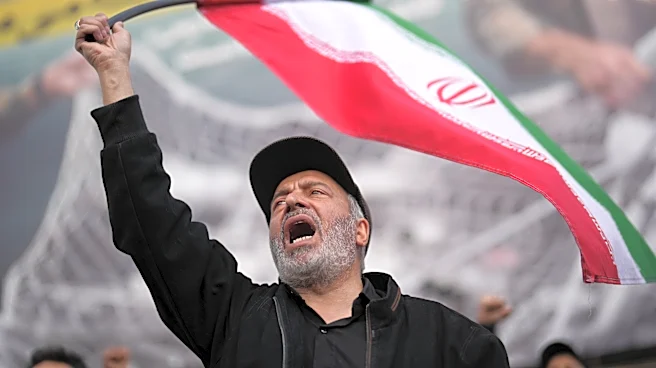
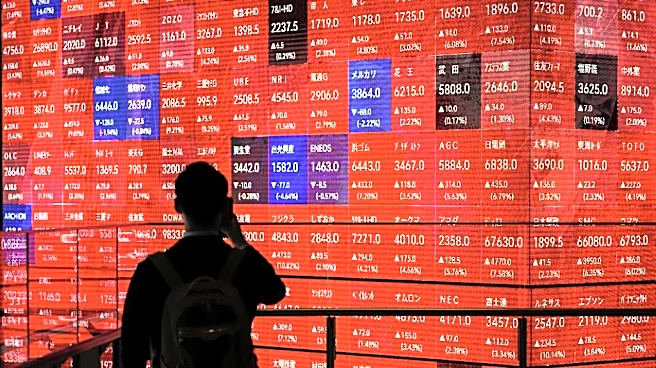
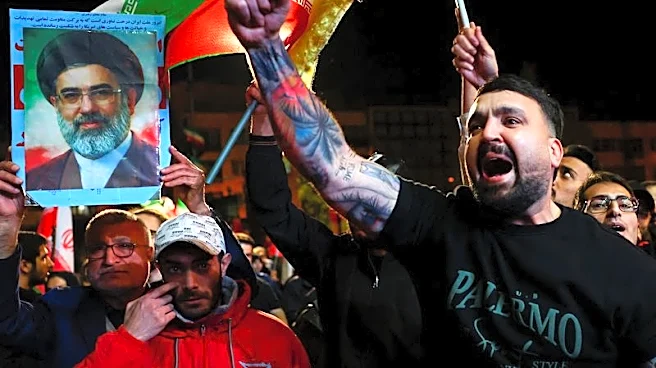
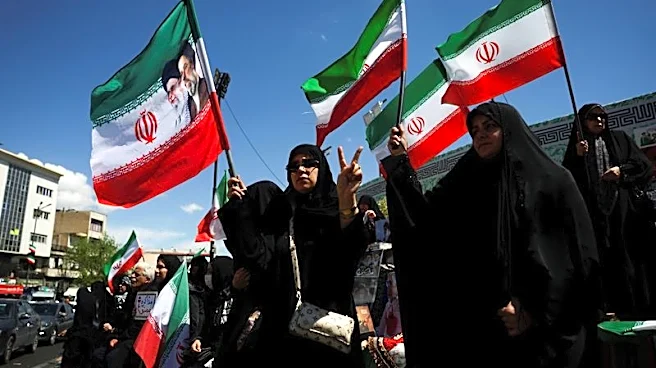
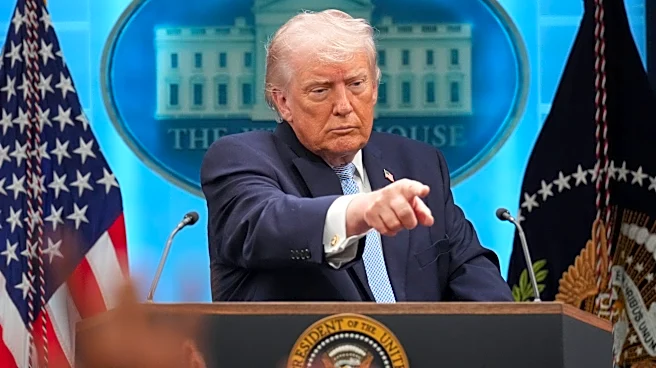
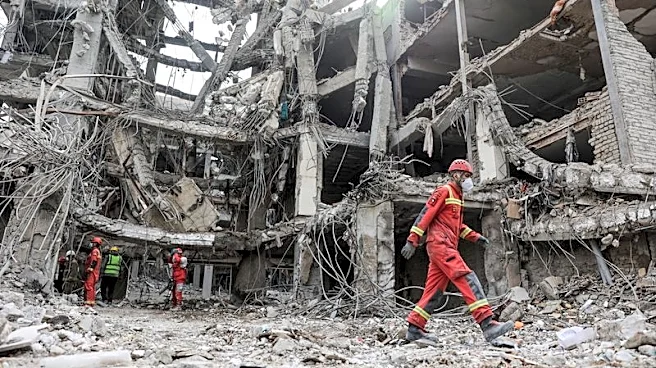
A temporary ceasefire between the U.S. and Iran has sparked a relief rally in global markets, although experts caution that lasting peace remains elusive. The truce, brokered with the help of Pakistan, came just before President Trump's deadline for military
action. While oil prices have decreased, they remain above pre-conflict levels. The ceasefire requires the reopening of the Strait of Hormuz, but Iran's conditions for compliance introduce uncertainties. The agreement is seen as a pause rather than a resolution, with significant trust deficits on both sides.
Why It's Important?
The ceasefire has temporarily alleviated market fears, leading to a drop in oil prices and a rise in stock markets. However, the underlying tensions and lack of trust between the U.S. and Iran pose challenges to achieving a durable peace. The situation highlights the geopolitical risks that can impact global energy markets and economic stability. The outcome of the ceasefire and subsequent negotiations will be critical for determining the future of U.S.-Iran relations and the broader Middle East region.
What's Next?
Negotiations are expected to continue, with delegations from both countries meeting in Islamabad. The focus will be on reaching a longer-term agreement to end the conflict. However, the divergent interests and deep-seated mistrust between the parties may complicate the talks. The international community will be watching closely, as the resolution of this conflict could have far-reaching implications for global energy security and geopolitical dynamics.