



What's Happening?
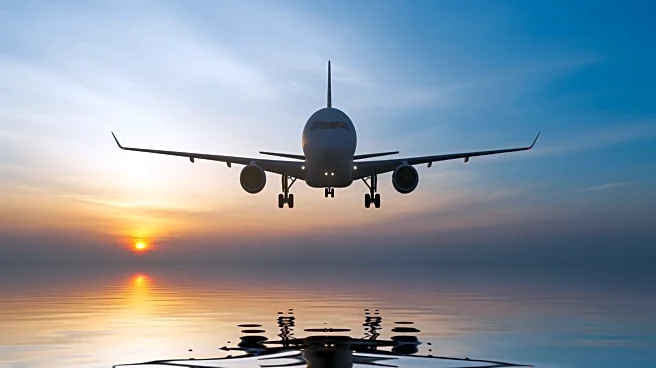
Air China is set to resume passenger flights between Beijing and Pyongyang at the end of March, marking the restoration of a significant international air connection to North Korea. The service, which was suspended in early 2020 due to the COVID-19 pandemic,
will initially operate once a week using Boeing 737-700 aircraft. This move comes as North Korea cautiously reopens its borders, which were sealed in early 2020, and gradually eases pandemic-related restrictions. The Beijing-Pyongyang route is crucial as it links North Korea with its largest trading partner, China. State-owned carrier Air Koryo also operates flights on this route, as well as services to Shenyang in China and Vladivostok in Russia.
Why It's Important?
The resumption of Air China's flights to North Korea is significant as it signals a cautious reopening of North Korea's borders and a step towards normalizing international travel and trade. China is North Korea's largest trading partner, and the restoration of this air link could facilitate increased economic activity and bilateral trade, which reached $2.74 billion in 2025. This development may also indicate North Korea's willingness to engage more with the international community after years of strict pandemic controls. For China, maintaining strong ties with North Korea is strategically important, both economically and politically.
What's Next?
As Air China resumes its flights, it is expected that other transportation links between China and North Korea will continue to be restored. This includes the recent resumption of passenger rail services between the two countries. The gradual reopening may lead to increased economic exchanges and potentially more diplomatic interactions. Observers will be watching to see if this trend continues and whether it leads to broader international engagement with North Korea. Additionally, the impact on regional stability and international relations will be closely monitored.