
What's Happening?
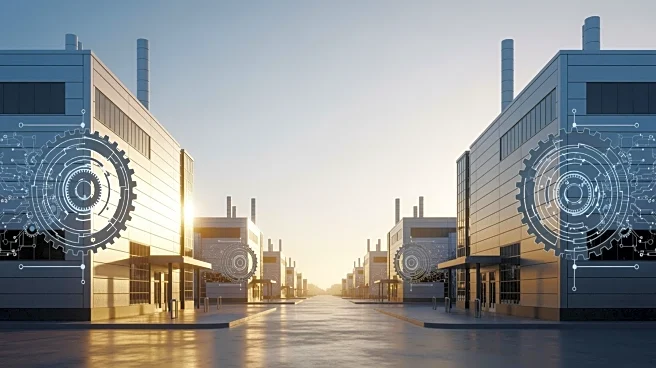
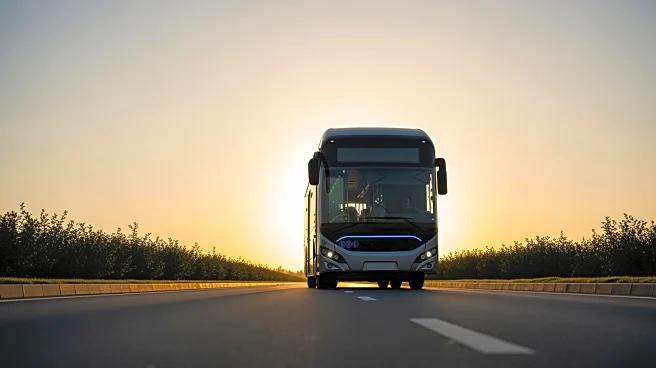
Union Minister for Heavy Industries and Steel, H.D. Kumaraswamy, announced the inauguration of Ashok Leyland's electric bus manufacturing plant in Uttar Pradesh. This development is seen as a significant
step towards India's goal of achieving net-zero carbon emissions and promoting sustainable mobility. The plant, located in Sarojininagar, Lucknow, is part of a broader initiative to enhance India's transport and industrial infrastructure. Kumaraswamy highlighted Uttar Pradesh's transformation into a key hub for transport and infrastructure, noting the state's extensive expressway and railway networks. The plant aligns with Prime Minister Narendra Modi's vision for a self-reliant India, emphasizing the importance of electric mobility in addressing climate change and boosting domestic manufacturing.
Why It's Important?
The establishment of the electric bus plant is crucial for India's environmental and economic strategies. It supports the country's commitment to reducing carbon emissions and advancing sustainable transportation. The plant is expected to bolster the domestic manufacturing sector, aligning with the Make in India and Atmanirbhar Bharat initiatives. The government's push for electric vehicles, through schemes like FAME-II and PM e-DRIVE, aims to increase EV adoption and infrastructure, with significant investments in public charging stations and battery manufacturing. This development not only addresses environmental concerns but also strengthens India's industrial capabilities, reducing reliance on imports and enhancing energy security.
What's Next?
The government plans to continue supporting electric vehicle adoption through various initiatives, including the expansion of charging infrastructure and incentives for EV purchases. The focus will remain on reducing transport-related pollution, particularly from commercial vehicles, which are significant contributors. The Production Linked Incentive schemes for automotive and battery manufacturing will further drive domestic production and technological advancements. As the electric bus plant becomes operational, it is expected to set a precedent for future projects, encouraging more investments in clean mobility and sustainable manufacturing.