








What's Happening?
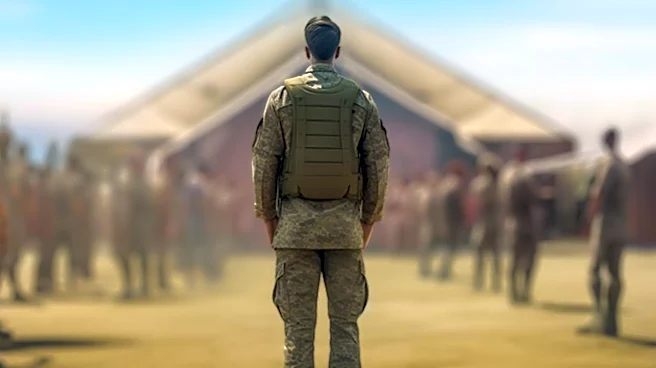
A National Guard deployment in Washington, D.C., has expanded significantly during the celebrations of the United States' 250th anniversary of independence. This increase includes contributions from Democratic-led states, which has sparked controversy.
Critics argue that the troops are not only securing festivities but are also being drawn into President Trump's ongoing deployment of the Guard in the city. The deployment, which began in August 2025 following an emergency order by President Trump citing crime concerns, has involved Guard members in various roles, including law enforcement support and community services. Recently, the number of deployed troops increased to around 5,000 for security during major events. Democratic-led states like Michigan and Minnesota have sent troops, with some states considering withdrawing due to concerns over their use in law enforcement activities.
Why It's Important?
The deployment of National Guard troops in Washington, D.C., raises significant questions about the use of military forces in domestic law enforcement roles. The involvement of Democratic-led states in this deployment highlights a political dimension, as these states are challenging the ongoing use of their troops in the city. The situation underscores tensions between state and federal authorities over the appropriate use of military resources in civilian contexts. The controversy also reflects broader debates about the balance of power between state and federal governments, particularly in matters of public safety and civil rights. The outcome of this situation could influence future policies regarding the deployment of National Guard forces in domestic settings.
What's Next?
Minnesota plans to withdraw its National Guard members earlier than initially scheduled, while Michigan is considering ending its deployment if further reports of misuse arise. The situation may lead to legal challenges and further political debates about the role of the National Guard in domestic affairs. The actions of Democratic governors in response to this deployment could set precedents for how states engage with federal requests for military support in the future. Additionally, ongoing monitoring and activism by groups like Free DC may continue to influence public opinion and policy decisions regarding the deployment.