









What's Happening?
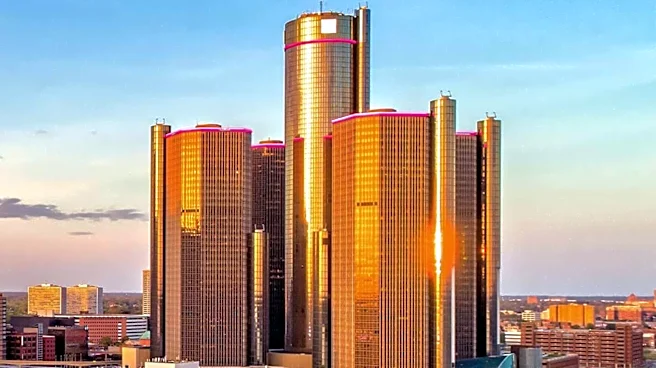
On July 18, 2013, Detroit became the largest U.S. city to file for bankruptcy, marking a significant moment in American urban history. The city's financial struggles were attributed to a long-term decline in population and the auto manufacturing industry,
which had been the backbone of its economy. The bankruptcy filing was a culmination of years of fiscal mismanagement, declining tax revenues, and increasing debt obligations. This event highlighted the challenges faced by cities heavily reliant on a single industry and underscored the need for economic diversification.
Why It's Important?
Detroit's bankruptcy filing was a wake-up call for other U.S. cities facing similar economic challenges. It underscored the importance of fiscal responsibility and the need for cities to adapt to changing economic landscapes. The event also prompted discussions on the role of state and federal governments in supporting struggling municipalities. For Detroit, the bankruptcy process allowed for a restructuring of its debt and provided a path to financial recovery. The city's experience serves as a case study for urban renewal and the potential for revitalization through strategic planning and investment.
What's Next?
In the years following the bankruptcy, Detroit has made significant strides in revitalizing its economy and infrastructure. Continued efforts to attract new businesses and residents are crucial for sustaining this progress. The city's experience may influence future policy decisions regarding urban development and economic resilience. As Detroit continues to rebuild, it will be important to monitor its progress and the effectiveness of the strategies implemented post-bankruptcy.