






What's Happening?
A recent study by the Uppsala Conflict Data Program (UCDP) at Uppsala University has reported a significant increase in global conflicts, reaching the highest level since World War II. In 2025, there were 65 active conflicts, with the number of direct
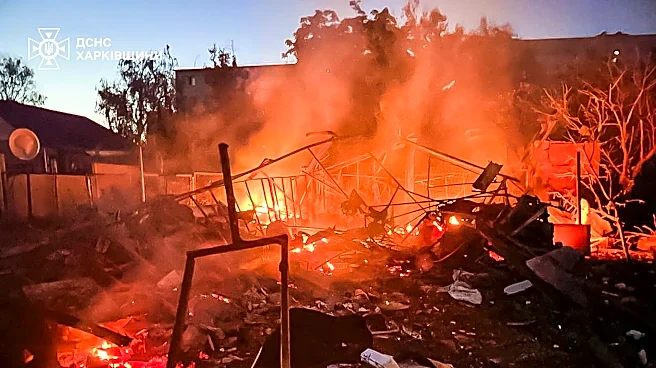
interstate conflicts doubling from the previous year to eight. This marks the highest number of such conflicts since the UCDP began collecting data in 1946. The deadliest conflict was the Russia-Ukraine war, accounting for 62% of all battle-related deaths, with 77,700 Russian and 14,000 Ukrainian fatalities. Other significant conflicts included the Israel-Hamas war and the Sudanese civil war. The study highlights a dramatic increase in violence against civilians, particularly in Sudan, where tens of thousands were killed by the Rapid Support Forces (RSF).
Why It's Important?
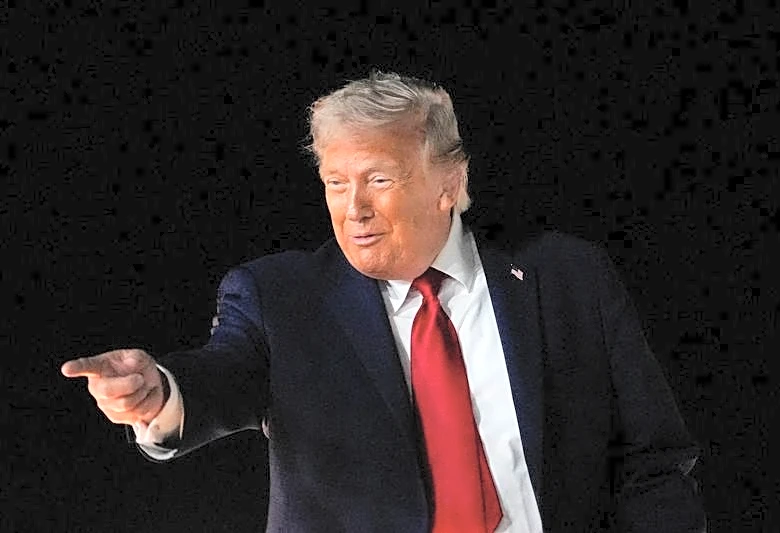
The rise in global conflicts has significant implications for international stability and security. The increase in interstate wars suggests growing international tensions and a shift in the global security order. This trend challenges the post-World War II international order, traditionally led by the United States. The study suggests that the current U.S. administration's policies may be contributing to this shift, although it does not establish a direct causal link. The increase in violence against civilians, particularly in regions like Sudan, raises humanitarian concerns and highlights the need for international intervention and support. The data underscores the urgency for diplomatic efforts to address and mitigate these conflicts.
What's Next?
The study warns that the trend of increasing global conflicts is likely to continue into 2026. This ongoing rise in conflicts may prompt international organizations and governments to reassess their strategies for conflict prevention and resolution. The data could influence policy decisions and encourage greater collaboration among nations to address the root causes of these conflicts. Additionally, humanitarian organizations may need to prepare for increased demands for aid and support in conflict-affected regions. The international community may also need to consider new frameworks for maintaining global peace and security in light of these developments.
Beyond the Headlines
The increase in global conflicts raises questions about the effectiveness of current international governance structures and the role of major powers in maintaining global stability. The shift away from the post-Cold War order could lead to a reevaluation of alliances and international agreements. The data also highlights the ethical responsibility of nations to protect civilians and prevent human rights abuses in conflict zones. Long-term, these trends could lead to significant geopolitical shifts and changes in global power dynamics, affecting international trade, security, and cooperation.