







What's Happening?
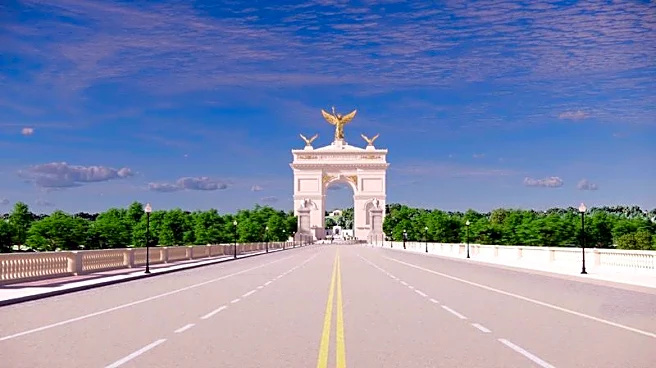
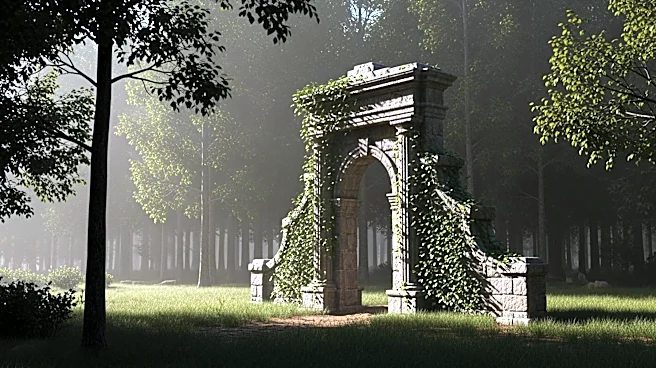
A proposed triumphal arch by President Trump near Arlington National Cemetery has sparked significant opposition from veterans and their families. The 250-foot structure is intended to celebrate American triumphs and inspire patriotism, according to the Trump administration.
However, critics, including Vietnam War veterans and architectural historians, argue that the arch is a 'vanity project' that would disrupt the symbolic view between the cemetery and the Lincoln Memorial. They also contend that the project lacks necessary congressional authorization. A lawsuit has been filed by Public Citizen on behalf of the veterans to block the construction, citing the need for congressional approval under the Commemorative Works Act. The administration claims prior congressional approval from 1925, but opponents argue this is insufficient.
Why It's Important?
The controversy over the proposed arch highlights tensions between presidential authority and congressional oversight in the creation of national monuments. The project raises questions about the appropriate use of federal land and the preservation of historical sites. Veterans and their families, who are directly affected by the proximity of the arch to Arlington National Cemetery, view the project as disrespectful to those who have served and sacrificed for the country. The outcome of this dispute could set a precedent for future presidential initiatives involving national monuments and federal land use, impacting how such projects are authorized and executed.
What's Next?
The legal battle over the arch is ongoing, with a judge yet to rule on the project's legality. The Trump administration has agreed to provide a 14-day notice before starting construction, allowing opponents to file an emergency request to halt the project. The National Park Service is currently accepting public comments, and further approvals are required from federal agencies. The outcome of these proceedings will determine whether the project proceeds and could influence future discussions on the balance of power between the executive branch and Congress in monument construction.