

What's Happening?
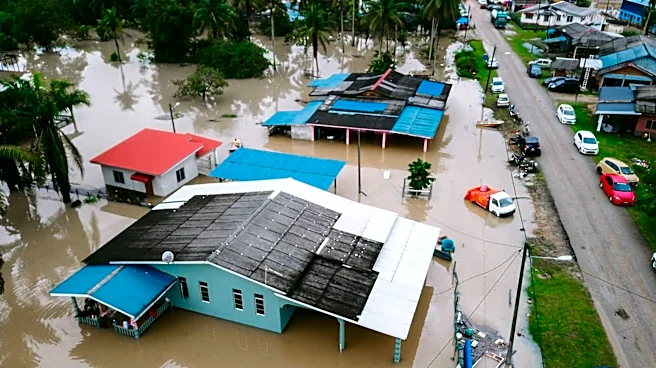
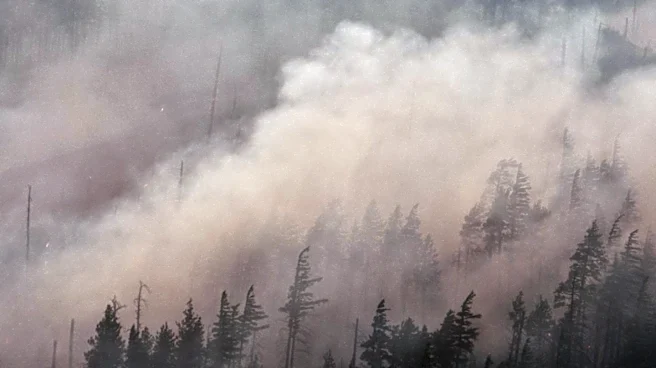
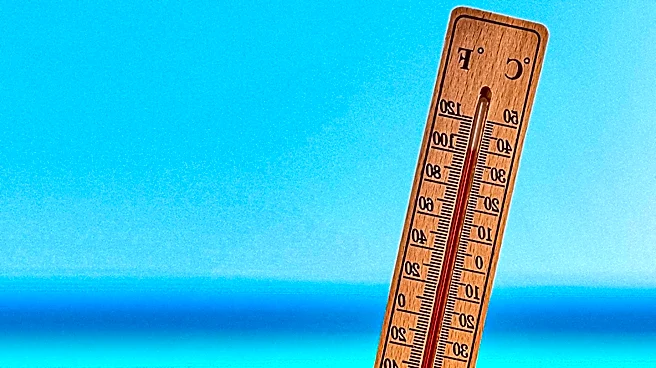
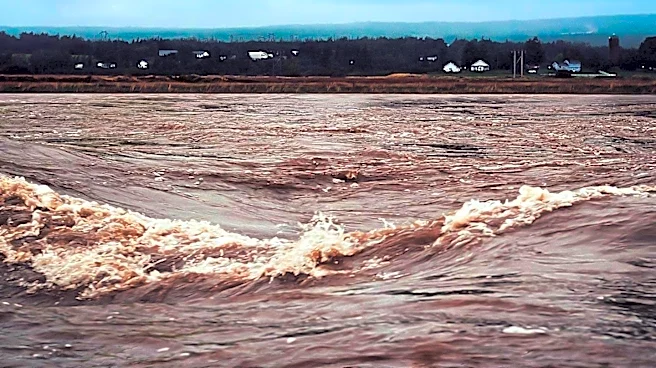
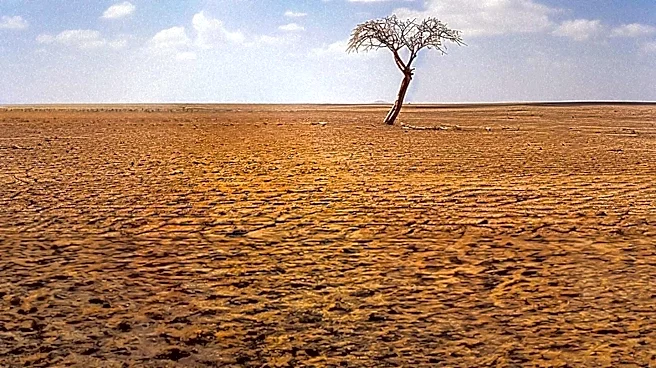
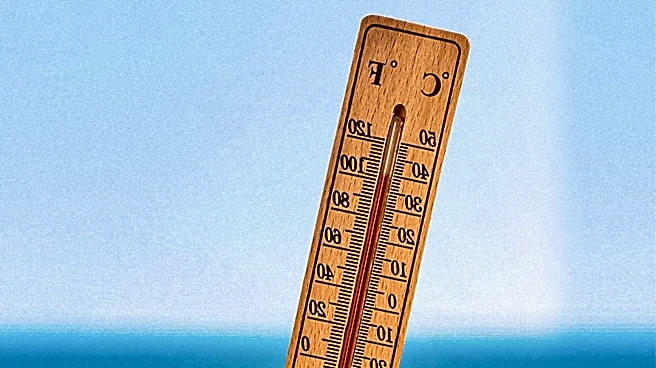
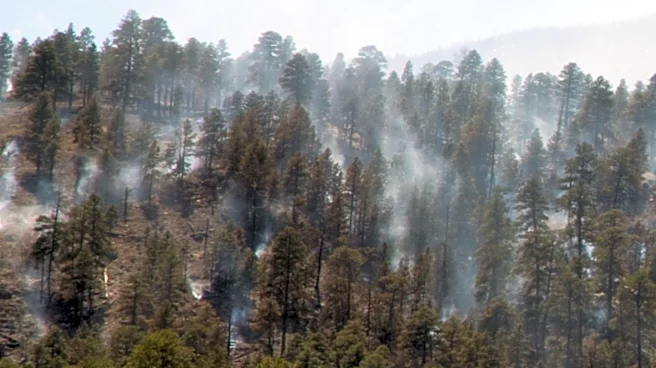
Climate change is increasingly affecting social connections by disrupting community events and gatherings due to severe storms, heat waves, and wildfires. These extreme weather events not only alter the physical environment but also impede social interactions,
which are crucial for individual and collective well-being. Social connections are vital for sharing information, providing mutual aid, and coordinating community responses during emergencies. However, as extreme weather becomes more frequent, it disrupts routines, damages gathering places, and weakens the social fabric that helps communities thrive. Research indicates that the time Americans spend interacting with friends and family has been declining, exacerbated by the COVID-19 pandemic and now further hindered by climate-related disruptions.
Why It's Important?
The increasing frequency of extreme weather events due to climate change poses a significant threat to social cohesion, which is essential for community resilience. Social connections are crucial for effective emergency responses and for fostering collective action to adapt to climate changes. The disruption of social interactions can lead to increased loneliness and isolation, particularly affecting vulnerable populations such as older adults and those in rural areas. This weakening of social ties can undermine community efforts to address climate challenges and adapt to new environmental realities, highlighting the need for strategies to strengthen social networks and community resilience.
What's Next?
Communities may need to invest in creating and maintaining public spaces that can serve as hubs for social interaction and climate resilience. These spaces could host activities that foster social connections while also providing resources during extreme weather events, such as cooling shelters and communication hubs. Policymakers and community leaders might focus on developing infrastructure that supports social cohesion and resilience, ensuring that communities can withstand and adapt to the impacts of climate change.