


What's Happening?
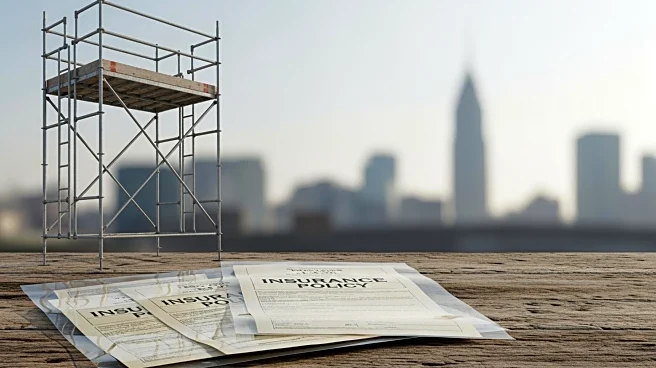
U.S. Congressman Adriano Espaillat, representing Upper Manhattan, has voiced strong criticism against the insurance industry's recent attacks on New York's Scaffold Law. In a published Labor Perspective, Espaillat argues that the industry's push for changes
to the law is a veiled attempt to gain legal immunity at the expense of worker safety. The Scaffold Law, formally known as Labor Law §240, is designed to protect construction workers from gravity-related hazards by holding owners and contractors accountable for providing proper safety devices. Espaillat highlights that the law does not impose automatic liability but applies only when safety failures directly cause injuries. He points out that construction-related injuries remain high, with nearly 500 incidents reported in 2024, emphasizing the law's necessity. Critics of the law propose a comparative negligence standard, which Espaillat argues would unfairly shift the burden of safety onto workers and taxpayers, rather than those controlling the work sites.
Why It's Important?
The debate over New York's Scaffold Law has significant implications for the construction industry and worker safety. The law's critics argue that it increases insurance costs and hinders economic development. However, Espaillat's defense underscores the importance of maintaining stringent safety standards to protect workers from life-threatening injuries. The outcome of this debate could affect not only the legal landscape for construction liability but also the financial responsibilities of developers and contractors. If the law is weakened, there could be a shift in the economic burden of workplace injuries to public systems like Medicaid and Social Security, impacting taxpayers. This issue highlights the ongoing tension between economic interests and worker safety in the construction sector.
What's Next?
The discussion around the Scaffold Law is likely to continue as stakeholders from the construction industry, insurance companies, and labor advocates debate its future. Any legislative changes could prompt reactions from unions and worker advocacy groups, who may push for maintaining or even strengthening safety regulations. The outcome could also influence similar laws in other states, setting a precedent for how construction safety is legislated across the country. As the debate unfolds, it will be crucial to monitor how policymakers balance economic considerations with the need to protect workers.